
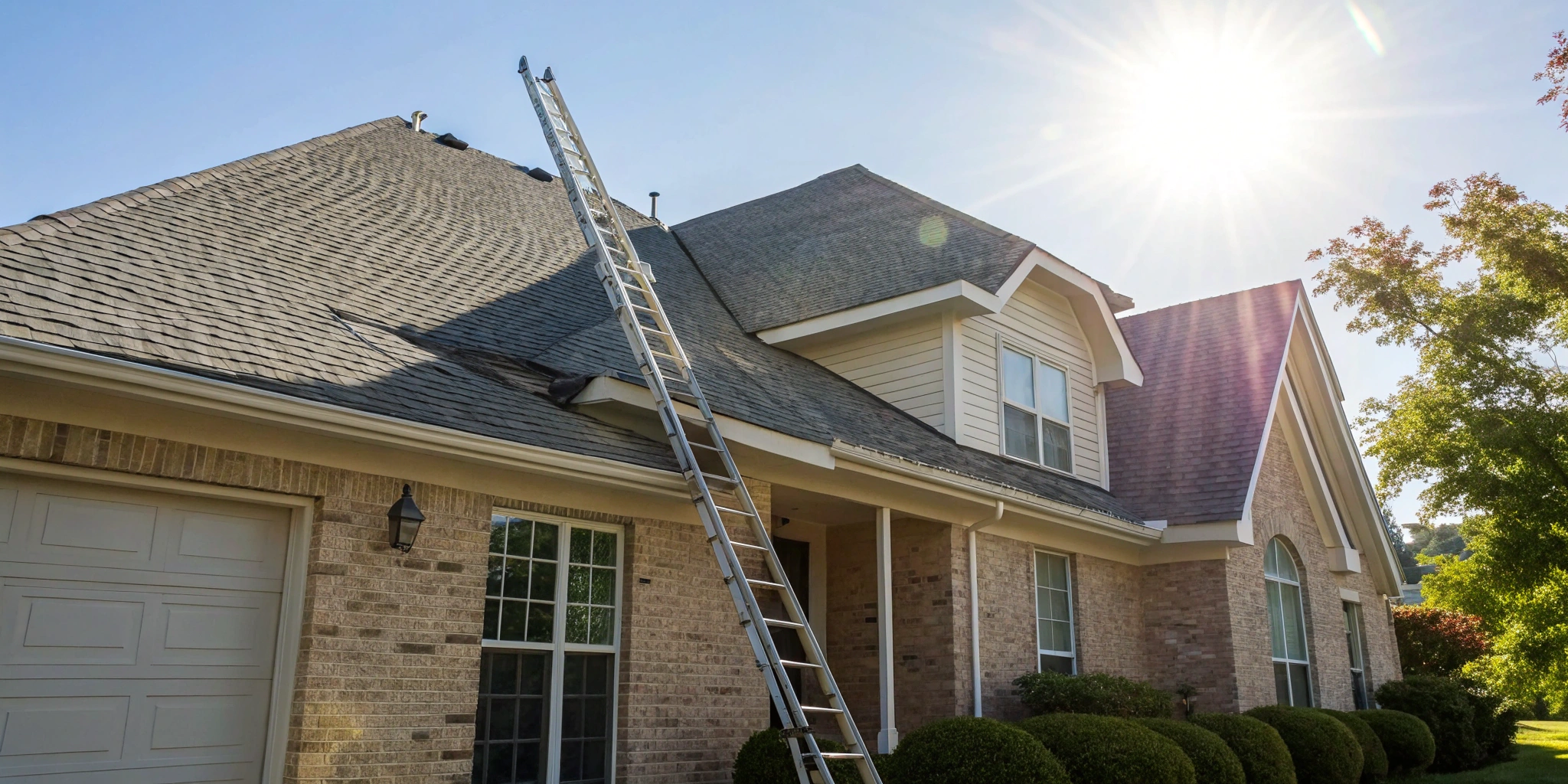
roof replacement Houston Guide Houston is an important topic for Houston homeowners and property managers. Here’s what you need to know.
Thinking about a new roof as just another expense misses the bigger picture—it’s a crucial investment in your home’s safety, value, and energy efficiency. While the upfront cost is significant, there are smart ways to manage it. Understanding your payment options is the first step toward making this important upgrade happen without financial strain. This guide is designed to empower you with the knowledge you need, from leveraging an insurance claim to finding the right financing plan. We’ll show you how to approach your Houston roof replacement Houston as a savvy homeowner, ensuring you get a quality roof that protects your biggest asset.
a[href=”https://www.riseroofing.company/contact-us/”]:hover{background-color:#03f!important;border:2px solid #ff4500!important;box-shadow:4px 4px 10px rgba(0,0,0,.4);color:#fff!important}
Key Takeaways
- Invest in the right materials and contractor for Houston: Your roof’s longevity depends on choosing a material built for our climate, like metal or stone-coated steel, and hiring a licensed, insured contractor with a proven local track record.
- Know the difference between a simple repair and a necessary replacement: While a single leak can be patched, widespread issues like curling shingles, significant granule loss, or a roof over 20 years old are clear signs that a full replacement is the smarter long-term investment.
- Understand the full scope of the project to avoid surprises: A professional estimate should detail costs for materials, labor, permits, and tear-off. Plan ahead by exploring payment options like in-house financing or working with your contractor to manage your insurance claim.
What Are the Best Roofing Materials for a Houston Home?
Choosing the right roofing material for your Houston home is a big decision. You’re not just picking a color; you’re investing in protection against intense sun, heavy rain, and the occasional hurricane. The best material for you will balance your budget, your home’s style, and the level of durability you need to feel secure. Let’s walk through the most popular and effective options for our unique climate so you can make a choice you’ll be happy with for years to come.
If you’re exploring roof replacement Houston guide houston, it’s important to understand how Houston’s climate and building codes affect your options.
Asphalt Shingles: Affordable and Reliable
Asphalt shingles are the go-to for many Houston homeowners, and for good reason. They offer a fantastic balance of performance and affordability, making them a practical and reliable choice. They are relatively easy to install, which helps keep the overall project cost down. Plus, they come in a huge variety of styles and colors, so you can find the perfect look to match your home’s aesthetic. If you want to explore your options, you can use a shingle assistant to visualize how different choices will look on a house like yours. It’s a dependable option that gets the job done without breaking the bank.
Metal Roofing: Built for Houston Weather
If durability is your top priority, a metal roof is an excellent investment. Built to last for decades, metal roofing can handle just about anything Houston’s climate throws at it, from high winds and torrential downpours to blistering summer heat. It’s also incredibly energy-efficient. The metal reflects solar heat away from your home, which can help lower your air conditioning bills—a major plus during our long, hot summers. While the upfront cost is higher than shingles, the longevity and energy savings make it a smart long-term solution for many homeowners looking for serious protection.
Choosing the right approach to roof replacement Houston guide houston can save thousands over the life of your roof.
Stone-Coated Steel: The Best of Both Worlds
What if you love the look of traditional shingles or tile but want the strength of metal? That’s where stone-coated steel comes in. This premium material combines a durable steel core with a textured stone finish, giving you incredible resilience with classic curb appeal. Stone-coated steel roofs are specifically engineered to withstand severe weather, and they often exceed the highest standards for hail impact resistance. It’s a perfect choice for Texas homeowners who want peace of mind without compromising on style. You can see how elegant and strong these roofs look by checking out some recent projects featuring this material.
Tile Roofing: Timeless Style, Lasting Strength
For a classic, sophisticated look, it’s hard to beat tile roofing. Whether you choose clay or concrete, tile offers a timeless beauty that can significantly enhance your home’s appearance. But it’s not just about looks—tile is also exceptionally strong and long-lasting, capable of enduring for a century or more with proper care. It’s naturally resistant to fire and insects and stands up well to our humid, salty air. While it is one of the heavier and more expensive residential roofing options, a tile roof is a worthwhile investment for homeowners who want a beautiful, permanent solution that adds lasting value to their property.
Many Houston homeowners searching for roof replacement Houston guide houston information want to make a confident, well-informed decision.
For roof replacement houston services, RISE Roofing offers free inspections and detailed estimates to help you make the best decision for your property.
How Much Does a New Roof in Houston Really Cost?
Let’s talk numbers. A new roof is one of the most significant investments you’ll make in your home, and the final price tag can vary quite a bit. In the Houston area, replacing a standard 2,000-square-foot roof can range from $7,000 to over $65,000. That’s a huge spread, right? The final cost depends on several key factors: the materials you choose, the complexity of your roof, labor rates, and other essential services like removing your old roof and securing permits.
Understanding these components is the first step to creating a realistic budget and avoiding surprises down the road. While it’s tempting to just look for the lowest bid, a quality roof protects your home, improves its value, and can even lower your energy bills. To get a personalized estimate for your home, you can start with a roof cost calculator to get a ballpark idea. From there, we can break down the individual costs that go into your total project price.
A qualified contractor experienced with roof replacement Houston guide houston will ensure your project meets local standards and manufacturer requirements.
Breaking Down Costs by Material
The single biggest factor influencing your roof’s cost is the material you select. Each option offers a different balance of price, durability, and style. Asphalt shingles are the most common and budget-friendly choice, typically running from $4.50 to $8.50 per square foot. They get the job done and come in many colors.
For superior durability, especially against Houston’s weather, many homeowners upgrade to metal roofing, which costs between $10 and $14 per square foot. Premium materials like tile and slate are at the higher end, ranging from $15 to $30 per square foot, but they offer unmatched longevity and a classic look. Our interactive shingle assistant can help you visualize how different materials will look on your home.
RISE Roofing has extensive experience with roof replacement Houston guide houston projects across the greater Houston area.
Factoring in Labor and Installation
Your roofing material is only as good as its installation. Labor typically accounts for 40% to 60% of your total roof replacement Houston cost, and for good reason. This isn’t just about nailing down shingles; it covers the skilled work of a professional crew that ensures your roof is watertight, properly ventilated, and installed to meet manufacturer specifications and local building codes.
The complexity of your roof’s design—like a steep pitch, multiple levels, or features like skylights and chimneys—will also influence labor costs. While it might be tempting to cut corners here, investing in expert installation from a certified contractor protects your warranty and prevents costly repairs later. You can see the quality of our team’s work in our recent projects.
Planning for Permits and Other Fees
Beyond materials and labor, a few other costs are part of a standard roof replacement. First, your contractor will need to pull a municipal permit, which generally costs between $150 and $500 in the Houston area. This ensures the work is done to code and passes inspection.
Whether you’re dealing with storm damage or aging materials, roof replacement houston projects require a contractor who understands local building codes and weather conditions.
Next is the tear-off and disposal of your old roof. This process can add $2 to $5 per square foot to the total cost. Finally, a thorough inspection might uncover hidden damage to the underlying roof deck, which would require repairs before the new roof can be installed. A trustworthy contractor will always inspect for and discuss these potential issues with you upfront.
Exploring Your Payment Options
A new roof is a major expense, but you have several ways to manage it. If your roof was damaged in a storm, your homeowner’s insurance policy will likely cover a significant portion of the replacement cost. We can help you work through the claims process and provide the necessary documentation. Our insurance claim estimator can give you an idea of what to expect.
For homeowners paying out-of-pocket, many roofing companies, including Rise Roofing, offer flexible financing options. This allows you to get the quality roof you need now and pay for it over time with manageable monthly payments. Other options include personal loans or a home equity line of credit (HELOC).
Repair or Replace? Signs It’s Time for a New Roof
Deciding whether to patch up a problem or invest in a full roof replacement is a major decision. While a repair can fix isolated issues, sometimes it’s just a temporary fix for a roof that’s nearing the end of its life. A new roof is a significant investment, but it protects your biggest asset—your home—and can save you from costly interior damage down the line. So, how do you know when it’s time to stop repairing and start replacing? Look for these key signs that your roof is telling you it’s time for an upgrade.
Consider Your Roof’s Age and Condition
Most asphalt shingle roofs are designed to last about 20 to 25 years. If your roof is approaching or has passed that milestone, it’s wise to start planning for a replacement, even if there are no obvious problems. Over time, Houston’s intense sun and humidity cause roofing materials to break down. Shingles can lose their protective granules, become brittle, and lose their ability to shield your home from the elements. While a newer roof might just need a simple repair, putting money into an old roof is often not a sound investment. Think of it as a long-term solution versus a short-term patch.
How to Assess Storm Damage
After a significant Houston storm, it’s crucial to check for damage. Obvious signs like missing or cracked shingles are clear indicators that you need professional help. Also, look for shingles that are curling at the edges or buckling in the middle. These are signs that the shingles are past their prime and can no longer protect your home effectively. Frequent leaks in your attic or water stains on your ceilings are urgent warnings that your roof’s integrity is compromised. While a single leak might be fixable, multiple leaks often point to a systemic failure that a full residential roofing replacement can solve for good.
Spotting Widespread vs. Minor Issues
The scope of the problem is a huge factor in the repair-or-replace debate. If you have one or two missing shingles in a single area, a repair is likely your best bet. However, if you see widespread issues across different parts of your roof, it’s a different story. Look for large patches of missing granules, which look like dark spots on your shingles, or find an excessive amount of granules in your gutters. Popped nails and creased shingles across the roof surface also indicate that the entire system is failing. Patching these widespread problems is like putting a band-aid on a broken arm—it won’t solve the underlying issue.
Checking for High Energy Bills and Leaks
Your roof is a critical part of your home’s insulation system. If you’ve noticed your energy bills creeping up without a clear reason, your aging roof could be the culprit. As a roof deteriorates, it loses its ability to reflect heat and keep your attic properly ventilated, making your air conditioner work overtime. Another unmistakable sign is seeing daylight through the roof boards in your attic. If light can get in, so can water. Combined with noticeable water stains or active drips, these are clear signs that your roof is no longer providing the protection you need and a replacement is imminent.
Homeowners searching for roof replacement houston solutions can count on RISE Roofing’s decades of experience in the Houston market.
How to Choose the Right Houston Roofing Contractor
A new roof is a major investment in your property, and the contractor you hire is just as important as the materials you choose. The right team will ensure your roof is installed correctly, protecting your home from Houston’s unpredictable weather for decades. The wrong one can lead to costly repairs, frustrating delays, and a roof that fails when you need it most. Finding a trustworthy professional doesn’t have to be overwhelming. It simply requires a bit of due diligence.
Understanding roof replacement guide houston is essential for making informed decisions about your roof. As Houston continues to grow, property owners benefit from staying up to date on roof replacement guide houston options and best practices.
By focusing on a few key areas—credentials, reputation, estimates, and warranties—you can confidently sort through your options and find a roofer you can count on. Taking the time to properly vet your candidates will give you peace of mind and a durable, high-quality roof that adds value to your home. These steps will help you identify a skilled and reliable contractor who will get the job done right.
Verify Licenses, Insurance, and Local Experience
Before you get too far in the conversation, start with the non-negotiables. Any roofer you consider must be fully licensed and insured. In Texas, a great credential to look for is an RCAT (Roofing Contractors Association of Texas) License, which shows the company is committed to high industry standards. Full insurance coverage, including general liability and worker’s compensation, is crucial because it protects you from financial responsibility for any accidents that might happen on your property. You also want a team with proven experience in the Houston area. Local roofers understand our unique climate challenges and are experts on local building codes.
Read Reviews and Ask for References
A contractor’s track record can tell you a lot about what to expect. Start by reading online reviews on sites like Google, Yelp, and the Better Business Bureau. Look for consistent themes in customer feedback. Are people happy with the communication, the quality of the work, and the final result? Don’t stop there. A reputable contractor will be happy to provide references from past clients. Speaking directly with a former customer is a great way to get honest insight into their experience. You can also ask to see a portfolio of their recent projects to judge the quality of their work for yourself.
Get Clear Estimates and Compare Them Fairly
It’s always a good idea to get at least three written estimates from different highly-rated companies. A professional contractor will provide a detailed, itemized bid that breaks down the costs for materials, labor, permits, and cleanup—not just a single number on a business card. Be cautious of any estimate that is drastically lower than the others, as it could be a red flag for subpar materials or hidden costs. When comparing bids, look beyond the bottom line. Consider the quality of the proposed materials, the scope of work included, and the offered warranties. Using a roof cost calculator ahead of time can also help you establish a realistic budget.
Understand the Warranty Before You Sign
A strong warranty is your safety net. Before signing a contract, make sure you read and understand the warranty details completely. You’ll typically see two types: a manufacturer’s warranty that covers defects in the roofing materials and a workmanship warranty from the contractor that covers the installation itself. A contractor who offers a comprehensive workmanship warranty is showing confidence in their own skills and the quality of their installation. This is a key indicator of a reliable company. Make sure you get all warranty information in writing for your residential roofing project so you know exactly what’s covered.
What to Expect When You Replace Your Roof
A new roof is a big investment, and the installation process can feel a little overwhelming. But knowing what’s coming can make everything go much smoother. From the first tear-off to the final inspection, a professional roofing team will handle the heavy lifting. Your main job is to prepare your home and family for a few days of noise and activity. We’ll walk you through the key stages of a roof replacement, so you can feel confident and prepared from start to finish. It’s all about clear communication and a little bit of planning.
The Project Timeline and Potential Delays
A typical roof replacement is surprisingly fast. The actual installation on most Houston homes takes about one to three days. The entire process, from the initial inspection and material delivery to the final cleanup, usually spans one to two weeks. Of course, timelines can vary. A larger home, a more complex roof design, or specialty materials might add a day or two. The biggest variable here in Houston is the weather. A sudden downpour can pause work for safety reasons. A good contractor will keep you updated on the schedule and work efficiently to get the job done right.
Roof Replacement Houston projects vary in scope and cost depending on roof size, material selection, and structural requirements.
How Permits and Inspections Work
Before any work begins, your project will likely need a permit from your local municipality. This is a crucial step that ensures your new roof meets all local building codes and safety standards. Don’t worry—this isn’t something you have to figure out on your own. A reputable, local contractor will handle the entire permitting process for you. They know the specific requirements for different service areas around Houston. Once the job is done, a city inspector will likely visit to sign off on the work, giving you peace of mind that your new roof is installed correctly and safely.
Prepping Your Home for Installation Day
A little prep work goes a long way in making installation day a breeze. Start by clearing the area immediately around your home. Move patio furniture, potted plants, grills, and vehicles out of the way to give the crew a safe, clear workspace. Inside, the hammering can cause vibrations, so it’s a good idea to take down any fragile items from your walls and shelves. Finally, plan for the noise. If you have pets or small children, arranging for them to spend the day somewhere quieter can reduce stress for everyone. These simple steps help the residential roofing project run smoothly and safely.
Working with Your Insurance Company
If your roof replacement is part of an insurance claim, clear communication is key. Before you start, review your policy to understand your coverage, deductible, and the claims process. Take photos and videos of the damage to create a thorough record for your adjuster. Your roofing contractor can be a valuable partner here, providing the detailed documentation and professional assessment your insurance company needs. They can help you make sense of the paperwork and ensure all storm-related damage is accounted for. Using an insurance claim estimator can also give you a clearer picture of what to expect financially before you file.
How to Pay for Your Houston Roof Replacement
A new roof is one of the most important investments you’ll make in your home, but that doesn’t mean you have to pay for it all at once. From financing to insurance claims, there are several paths you can take to make the cost more manageable. Let’s walk through the most common ways Houston homeowners fund their roof replacements so you can find the best fit for your budget.
Using Home Equity or Personal Loans
Tapping into your home’s equity or taking out a personal loan are common ways to fund a large home improvement project. This approach gives you the cash you need upfront, allowing you to pay your contractor directly and move forward without delay. A new roof is an investment that protects and can even increase your home’s value, which makes it a smart use of credit. If you’re not sure how much you’ll need, you can use a roof cost calculator to get a reliable estimate. This number will help you figure out exactly how much to apply for when you speak with your bank or credit union.
Asking About In-House Financing
Many roofing companies understand that a new roof is a significant expense and offer in-house financing to make it more accessible. This can be an incredibly convenient option because it streamlines the entire process. Instead of managing a separate loan from a bank, you can handle all the payment arrangements directly with your contractor. When you schedule a consultation for your residential roofing project, don’t hesitate to ask about the financing plans they offer. A reputable company will be happy to walk you through the terms, interest rates, and monthly payment options to find a solution that works for you.
How to Handle Your Insurance Claim
If your roof was damaged by a hurricane, hail, or another storm, your homeowner’s insurance policy is your first line of defense. The claims process can feel complicated, which is why it’s so helpful to partner with a roofing contractor who has experience dealing with insurance companies. An expert roofer can provide detailed documentation of the damage, meet with your insurance adjuster on-site, and ensure the scope of work accurately reflects what’s needed to restore your roof. Using an insurance claim estimator can also give you a baseline understanding of what your claim might be worth before you even file.
Finding Government Assistance Programs
In some cases, homeowners may qualify for government assistance to help cover the cost of a roof replacement, especially after a federally declared natural disaster. Programs offered through agencies like FEMA can provide grants or low-interest loans to help communities rebuild. roof replacement guide houston options aren’t available for routine replacements, but they can be a critical resource for families recovering from severe weather events. If a major storm has impacted your area, it’s worth checking official government websites to see if you meet the eligibility criteria for any available disaster assistance programs.
Related Articles
- New Roof Installation Houston: A Homeowner’s Guide
- Roof Replacement Houston TX: A Homeowner’s Guide
- New Roof Cost In Houston: A Complete Price Breakdown
- Roofing 101: Guides | Articles | Tips
a[href=”https://www.riseroofing.company/contact-us/”]:hover{background-color:#03f!important;border:2px solid #ff4500!important;box-shadow:4px 4px 10px rgba(0,0,0,.4);color:#fff!important}
Frequently Asked Questions
How long does a roof really last in Houston’s climate? A roof’s lifespan in Houston depends heavily on the material. Standard asphalt shingles generally last around 20 years, but our intense sun, high humidity, and storm season can sometimes shorten that. For a longer-lasting solution built to handle the local weather, materials like metal and tile are excellent investments. They can easily last 50 years or more because they are specifically designed to stand up to heat and high winds.
Trust RISE Roofing for roof replacement houston — call (832) 345-9527 for your free consultation.
Will my homeowner’s insurance cover a full replacement just because my roof is old? This is a common point of confusion, but generally, the answer is no. Homeowner’s insurance is designed to cover damage from a specific event, like a hail storm or hurricane, not gradual wear and tear from age. An old, failing roof is typically considered a maintenance responsibility for the homeowner. If a storm damages your aging roof, your policy will likely help, but the age itself isn’t a covered reason for replacement.
What’s the most energy-efficient roofing material for our hot summers? If you’re looking to lower your summer air conditioning bills, metal roofing is a fantastic choice. It reflects a significant amount of solar heat away from your home, keeping your attic and living spaces cooler. Lighter-colored shingles and tile roofs also perform well by absorbing less heat than their darker counterparts. Choosing an energy-efficient material can make a noticeable difference in your home’s comfort and your monthly budget.
Can I stay in my house while my roof is being replaced? Yes, you can absolutely stay home during the replacement process. The work is contained on the exterior of your house, so you won’t need to relocate. However, be prepared for a few days of noise. There will be consistent hammering and activity on the roof, which can be disruptive if you work from home or have small children. We recommend planning ahead for the noise, but you won’t be displaced from your home.
How do I know if I’m getting a fair price for my new roof? A fair price is about value, not just the lowest number. The best way to feel confident in your cost is to get at least three detailed, itemized estimates from licensed and insured contractors. A trustworthy bid will clearly break down the costs for materials, labor, and permits. Be wary of any price that is significantly lower than the others, as it could signal lower-quality materials or inexperienced labor. A fair price reflects a quality installation that comes with a strong workmanship warranty.
For more information about roof replacement guide houston, or to schedule a free consultation with a RISE Roofing specialist, call (832) 345-9527 today.
For additional resources, visit the U.S. Department of Energy on cool roofs.
Houston homeowners researching roof replacement guide houston will find that working with a certified contractor makes all the difference in quality, warranty coverage, and long-term value.
At RISE Roofing, we help clients navigate roof replacement guide houston decisions with transparent pricing and expert guidance tailored to Houston’s unique climate demands.