Everything Houston homeowners need to know about Texas Windstorm Insurance Association (TWIA) coverage and windstorm certification for roofing.
The Texas Windstorm Insurance Association (TWIA) is the insurer of last resort for windstorm and hail coverage for properties in certain coastal areas of Texas, including Harris County (Houston). If your standard homeowner's insurance doesn't cover windstorm damage, or if you live in a designated TWIA eligible area, you may need a separate TWIA policy to stay fully protected.
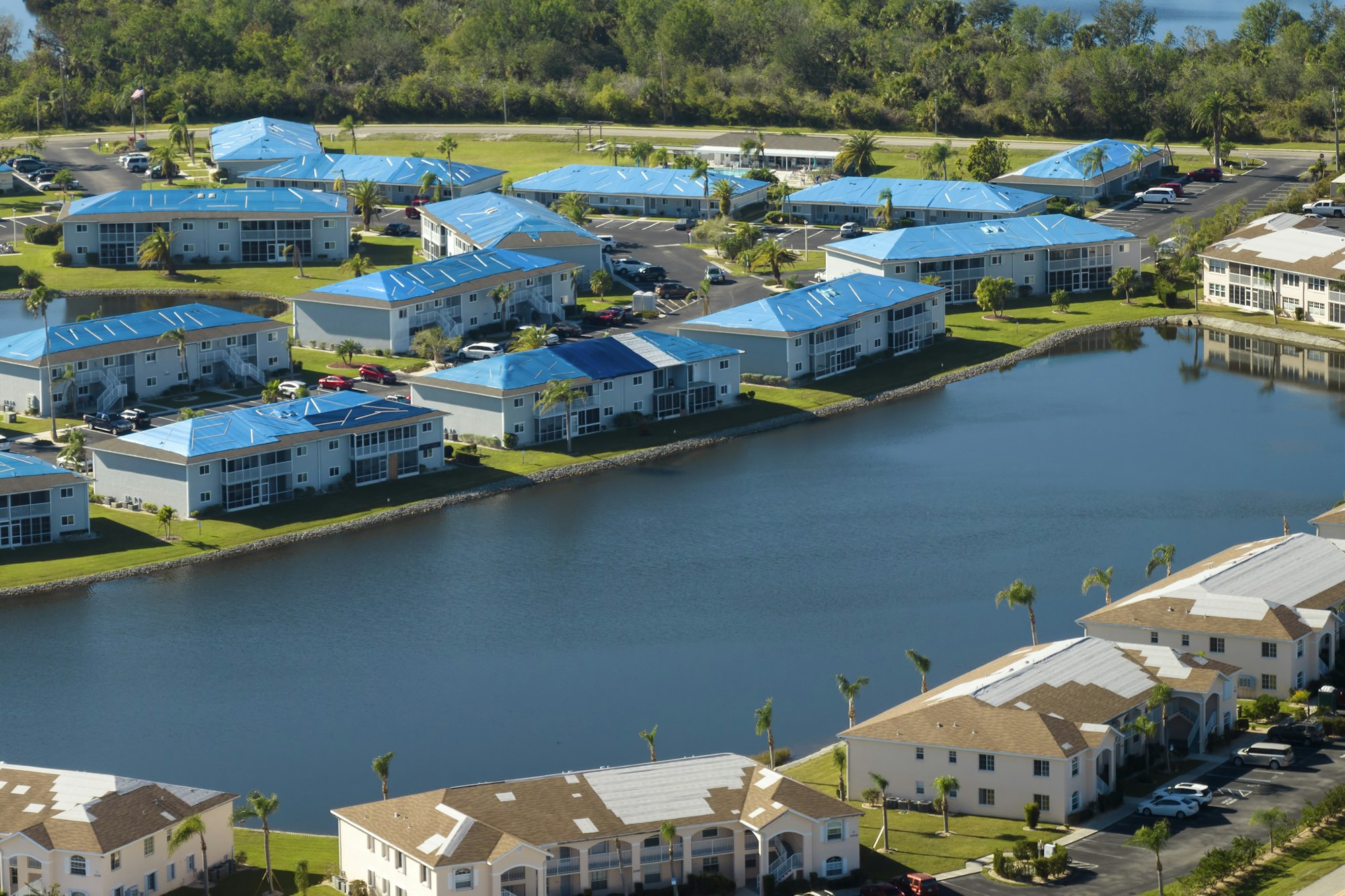
To qualify for TWIA coverage, your home's roof must be certified as windstorm-compliant. This certification (WPI-8) is issued by a Texas Department of Insurance (TDI)-appointed inspector and confirms that your roof was installed using materials and methods that meet Texas windstorm building code requirements.
Important: If you replace your roof without obtaining proper windstorm certification, you may lose your TWIA coverage — leaving you uninsured for hurricane and windstorm damage.
Not all roofing materials are approved for windstorm certification. RISE Roofing installs approved products including:
There is no statewide law that forces every Texas homeowner to carry windstorm insurance. In practice, though, two things make TWIA coverage close to mandatory along the coast. First, most standard homeowner policies written in the designated catastrophe area exclude wind and hail damage, so a separate windstorm policy is the only way to insure a home against a hurricane. Second, if your property carries a mortgage, your lender will almost always require windstorm coverage as a condition of the loan. TWIA is the state's insurer of last resort: it was created by the Texas Legislature in 1971 to provide wind and hail coverage to coastal property owners who cannot buy it in the private market.
You generally qualify for a TWIA policy only if your property sits inside the designated catastrophe area, you have been declined windstorm coverage by a private insurer (or your homeowner policy excludes wind), and the structure meets Texas windstorm building-code requirements — documented with a WPI-8 certificate for any construction or improvements subject to the rule.
A TWIA policy is narrow by design. It covers direct physical loss to your property caused by wind and hail — the two perils your standard coastal homeowner policy typically carves out. Residential policies can insure the dwelling and, through endorsements, personal contents and certain detached structures. TWIA sets maximum coverage limits that it adjusts each year for inflation, so very high-value homes may need supplemental coverage.
Just as important is what TWIA does not cover:
Because wind and flood are insured separately, coastal homeowners usually need three policies to be fully protected: a homeowner policy, a windstorm policy (TWIA or private), and an NFIP flood policy.
There is no single TWIA price. Premiums are state-regulated and calculated from several factors: the county and rating territory the property sits in, the amount of coverage (the replacement cost of the dwelling), the type and age of construction, and whether the home meets current windstorm building standards. Because TWIA is an insurer of last resort, its rates may be higher than a comparable private-market policy where such coverage is available — so it is worth comparing your options before you default to TWIA.
The condition of your roof is one of the few levers you can actually control. A newer, code-compliant roof keeps you eligible for coverage, and on standard or private windstorm policies, Class 4 impact-resistant roofing (rated under UL 2218) can earn a premium discount from many Texas insurers — each company sets its own discount amount and test criteria, so ask your carrier what it offers. Wind-rated shingles and metal systems also hold up better in a storm, which reduces the odds of a large, deductible-eating claim.
TWIA does not sell policies directly to consumers — you buy through a licensed Texas insurance agent. The typical path looks like this:
Don't wait for a storm. TWIA stops binding new or increased coverage once a tropical storm or hurricane enters the Gulf and threatens the Texas coast, and a companion NFIP flood policy carries its own 30-day waiting period before it takes effect. Buy coverage well before hurricane season.
The WPI-8 is a Certificate of Compliance issued by the Texas Department of Insurance (TDI). It documents that a structure — or a specific improvement such as a new roof — was built to the windstorm building code that applies in the catastrophe area. TWIA will not insure new construction, additions, or re-roofs performed after the code took effect unless the work is backed by a WPI-8. In short: no WPI-8, no TWIA coverage for that work.
There are two ways to earn the certificate. The roofing work can be inspected during installation by a TDI-appointed qualified inspector, or it can be evaluated and certified by a licensed Texas professional engineer. Either way, the inspection or evaluation is submitted to TDI, which then issues the WPI-8 certificate for the property's file.
This is where the roofer matters. A contractor experienced in coastal work installs to windstorm-code fastening and material standards, schedules the inspection at the right stage (the inspector often needs to see the deck and fastening before the covering is finished), and provides the required documentation. RISE Roofing installs windstorm-rated systems and coordinates the WPI-8 inspection paperwork so a re-roof does not accidentally void your coverage.
TWIA's designated catastrophe area is the stretch of Texas most exposed to hurricanes. It covers 14 first-tier coastal counties, plus a portion of Harris County east of State Highway 146. The 14 counties are:
If your property is in one of these counties — or in the eligible eastern part of Harris County near Galveston Bay — windstorm coverage is typically handled through TWIA or a private windstorm policy rather than a standard homeowner policy. The Texas Department of Insurance can confirm whether a specific address falls inside the boundary.
There is no statewide mandate, but along the coast it is effectively necessary. Most standard homeowner policies in the TWIA catastrophe area exclude wind and hail, and mortgage lenders almost always require windstorm coverage on financed homes. TWIA is the state's insurer of last resort for property owners who cannot buy wind coverage in the private market.
Fourteen first-tier coastal counties — Aransas, Brazoria, Calhoun, Cameron, Chambers, Galveston, Jefferson, Kenedy, Kleberg, Matagorda, Nueces, Refugio, San Patricio, and Willacy — plus the part of Harris County east of State Highway 146.
No. TWIA covers only wind and hail damage. Flood and storm surge are excluded and require a separate policy through the National Flood Insurance Program (NFIP) or a private flood insurer.
A WPI-8 is a Certificate of Compliance issued by the Texas Department of Insurance confirming that a structure or improvement was built to the windstorm building code. If your property is in the designated catastrophe area, a re-roof needs a WPI-8 — earned through a TDI-appointed qualified inspector or a licensed professional engineer — to keep your TWIA coverage in force.
You buy TWIA through a licensed Texas insurance agent, not directly from the association. You must be in the catastrophe area, have been declined windstorm coverage privately (or hold a homeowner policy that excludes wind), and provide WPI-8 documentation for applicable structures. Apply well before hurricane season, because TWIA stops writing new coverage once a storm threatens the Gulf.
Harris County is partially in the TWIA designated catastrophe area (CAT zone). Properties on the Bolivar Peninsula and Galveston Island are fully in the TWIA zone. Homes in the affected areas that are within the first tier county designation qualify for TWIA windstorm coverage. RISE Roofing serves all TWIA-eligible areas throughout Houston and the Gulf Coast.
Review Texas insurance regulations at the Texas Department of Insurance (TDI).
Review Texas insurance regulations at the Texas Department of Insurance (TDI).
🔒 Free, no-obligation quote — Price-locked estimate in 24 hrs
Trace your roof on satellite imagery and get a real installed price in under 60 seconds.
Powered by satellite roof measurement technology. No obligation.