
How to File a Roof Insurance Claim in Texas
Filing a roof insurance claim after storm damage is one of the most stressful processes a homeowner faces. A properly handled claim can cover your entire roof replacement. This guide walks you through the Texas roof insurance claim process step by step, based on hundreds of claims we've helped Houston homeowners navigate.

Storm damage? Call RISE Roofing first — before your insurance company.
A professional damage assessment gives you documented evidence before the adjuster arrives. Free inspections: (361) 208-0885
Step 1: Document the Damage Immediately
Take photos and video of all visible damage. Note the date and time of the storm. Do not make permanent repairs yet — temporary mitigation (tarping) is fine, but permanent repairs before the adjuster inspects can jeopardize your claim.
Step 2: Get a Professional Roof Inspection
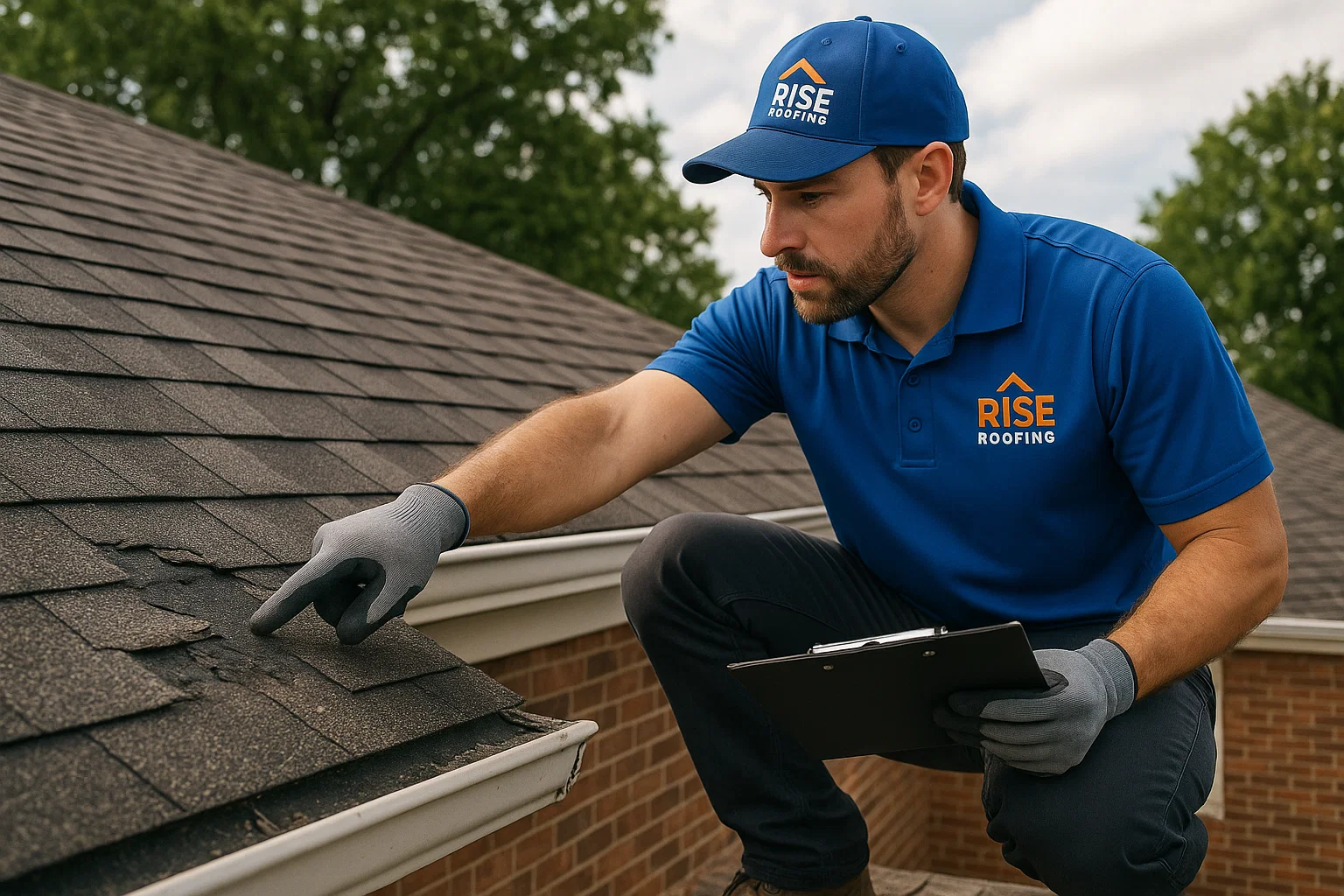
Before calling your insurance company, schedule a professional roof inspection. A contractor's detailed damage report with photos and measurements gives you independent documentation that's harder for an insurance company to dispute. RISE Roofing provides free storm damage inspections throughout Houston.
Step 3: File Your Claim
Contact your carrier with your policy number, storm date, and damage description. Texas gives you one year to file a claim after a storm event, but delays give insurers grounds to question the timeline. File as soon as you have your damage documentation.
Step 4: The Adjuster Inspection
Have your roofing contractor present during the adjuster's inspection. RISE Roofing attends every adjuster meeting at no charge. This ensures every damage point is noted, properly measured, and valued at current replacement costs.
Step 5: Review the Settlement
Compare the insurance estimate line by line with your contractor's assessment. Common issues include lower-quality materials than what was installed, omitted code upgrade costs, and underestimated damaged area. If there's a significant gap, you can request re-inspection or invoke the appraisal clause in your policy.
ACV vs RCV: Understanding Your Payout
- RCV (Replacement Cost Value): Pays full replacement cost minus deductible. Depreciation is withheld then reimbursed after work completes.
- ACV (Actual Cash Value): Pays replacement cost minus depreciation minus deductible — no recoverable depreciation. Use our ACV Calculator to estimate your payout.
Common Claim Mistakes to Avoid
- Waiting too long to file
- Not getting a contractor inspection first
- Making permanent repairs before the adjuster inspects
- Accepting the first estimate without review
- Not understanding your deductible (often percentage-based in Texas)
- Signing with a storm chaser instead of a local, licensed contractor
RISE Roofing has helped Houston homeowners recover millions of dollars in roofing insurance claims. We're on your side — not the insurance company's.