Is your Insurance Requiring a Roof Replacement?
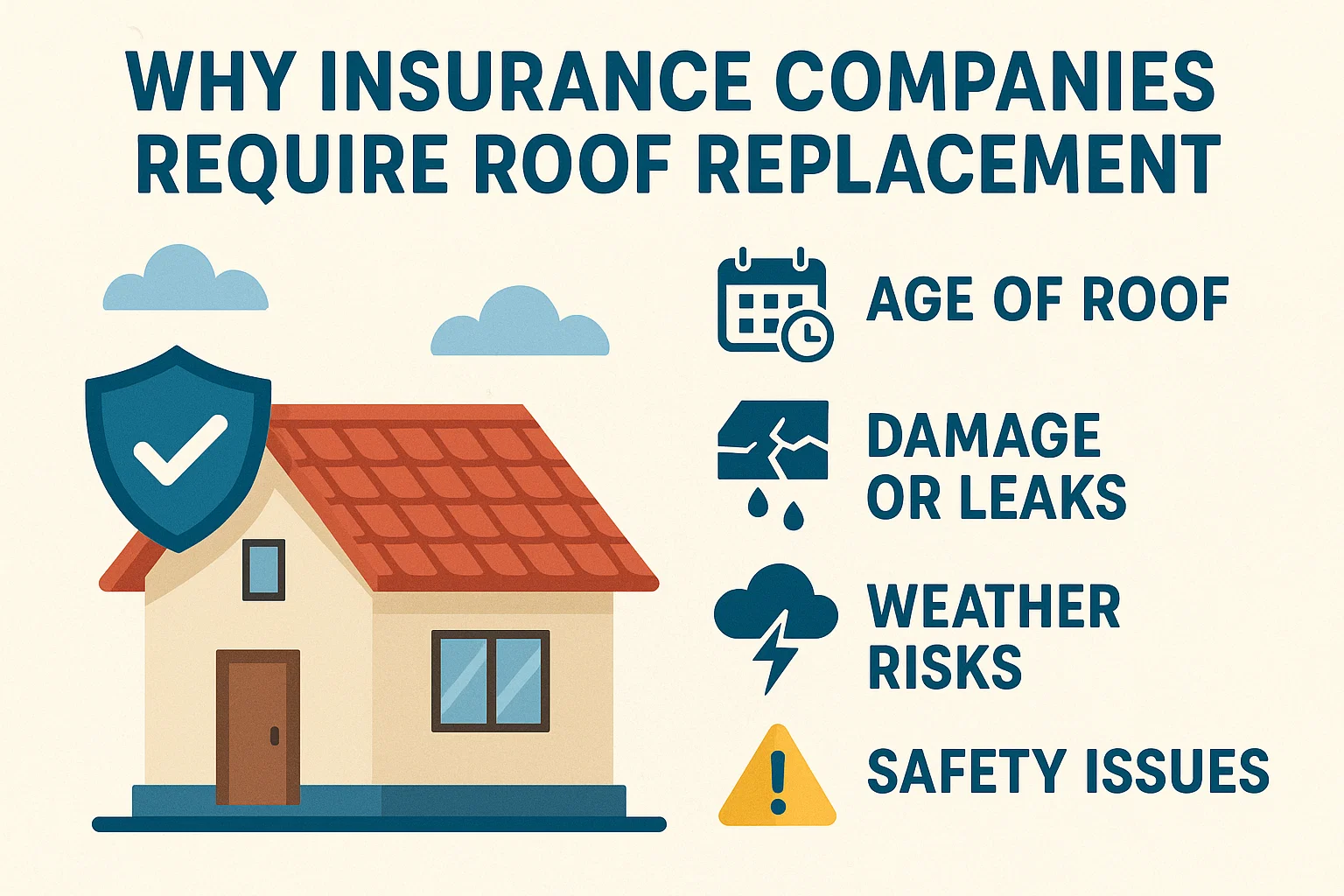
1. Age and Condition of the Roof
- Roof age limits: Many insurers impose age thresholds—typically 15–20 years—for asphalt shingle roofs. Beyond that, roofs are often deemed ineligible for coverage, require actual cash value settlement, or mandate a full replacement to qualify for renewal .
- Physical deterioration: Wear and tear—cracked shingles, lifted granules, weakened underlayment—can indicate the roof’s limited remaining life. Insurers view these conditions as potential triggers for future claims, leading to coverage denial or non-renewal unless the roof is replaced .
- Preventative maintenance: Lack of upkeep—clogged gutters, missing ridge caps, unrepaired minor damage—can accelerate roof aging and justify insurer intervention .
Bottom line: At a certain age or condition, insurers conclude that the roof is a ticking time bomb—highly likely to fail and trigger significant future claims. From their perspective, replacement is sound risk management.
2. Storm Risk Exposures in Texas Coastal Counties
- Windstorm/hail zones: Texas “Tier 1” windstorm counties (e.g. Nueces, Galveston, Chambers, Brazoria) require windstorm insurance via TWIA. Homes must have a valid windstorm Certificate of Compliance (WPI‑8) and be in “insurable condition”—no unrepaired damage .
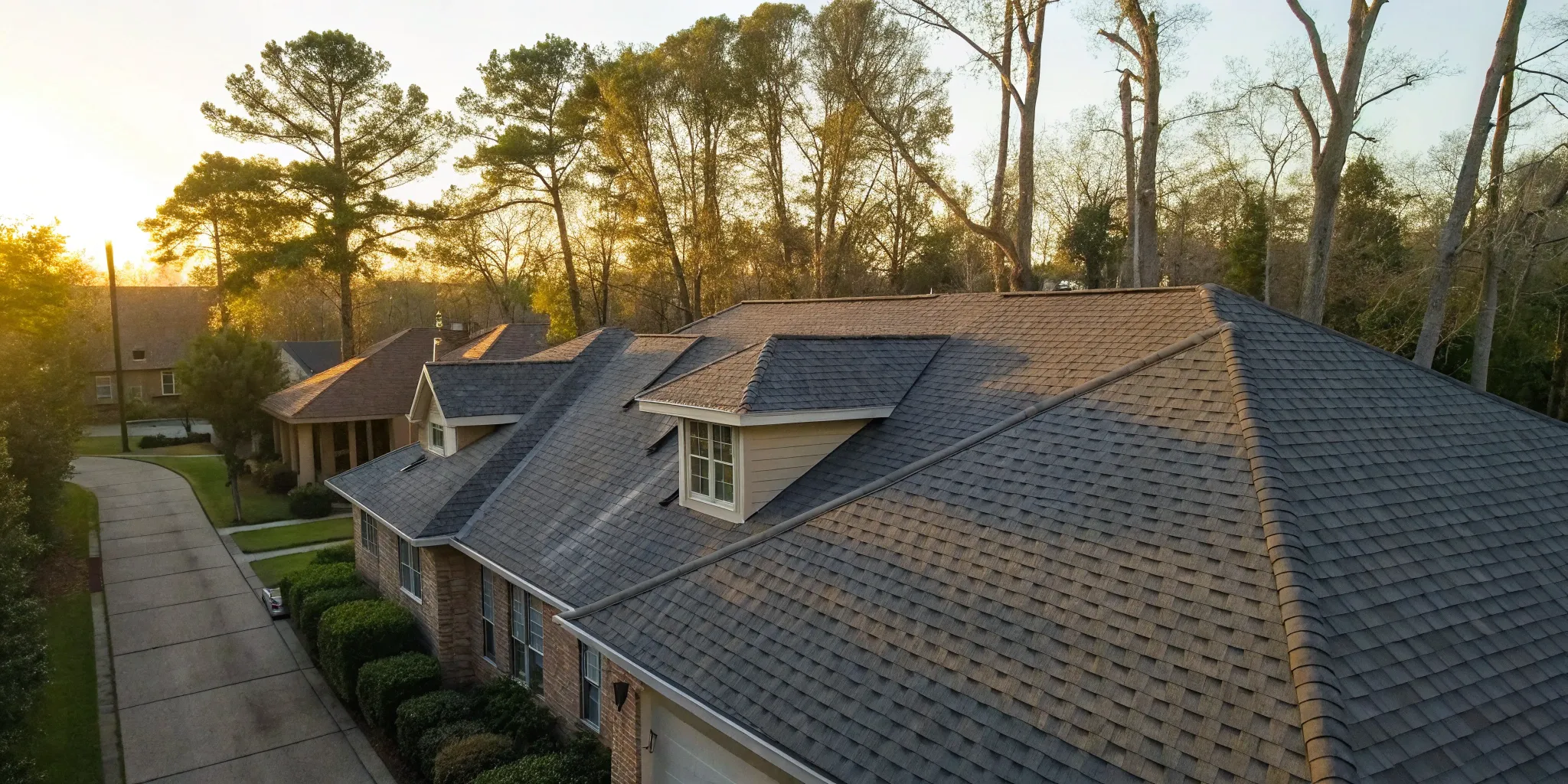
- Inspections and policy audits: TWIA and private carriers regularly inspect properties (via visual or aerial drones) to ensure roofing is up to code. Any roof considered substandard or nearing failure can lead to policy non-renewal unless addressed .
- Fortified/mitigated roofs: States like Alabama have shown that strengthened roofs drastically reduce claim frequency/cost. Texas is considering incentives—like retrofitting older homes—to boost resilience, though adoption remains limited .
Note: If your policy includes coverage for roof damage, it’s crucial to understand how insurance requiring a roof replacement can affect your claims process.
The implications of insurance requiring a roof replacement can be significant for homeowners. It reflects the insurance company’s assessment of risk, prompting necessary actions to maintain coverage.
Bottom line: In storm-prone areas, insurers must ensure homes can withstand extreme events. Whether due to underwriting rules (age, certification) or inspection findings, a failing roof can endanger continued coverage.
3. Financial Drivers Behind Insurer Decisions
- Catastrophe loss mitigation: Roof damage is among the top claim drivers during wind/hail events—up to 90% of claims include roof damage . Reducing that risk by maintaining roofs lowers insurer payouts and premiums.
- Rising reconstruction costs: Construction inflation (materials, labor) surged ~55% between 2019–2022. Claims that once paid out fully now come up short unless policyholders carry extended coverage. Insurers become more selective, leaving high-risk roofs uncovered .
- Actual cash value vs. replacement cost: Insurers may shift older roofs to ACV policies, which dramatically reduce payout due to depreciation. If the roof is aged and they don’t want to pay for replacement, insurers might require a new roof to continue with RCV coverage .
- Understanding policy requirements: Awareness of your policy’s stipulations regarding roofing can prevent unexpected issues, especially regarding insurance requiring a roof replacement.
Bottom line: Insurers are protecting themselves against inflating risk by requiring risk controls—roof replacements serve this financial protection purpose.
4. Claim History and Risk-Based Underwriting
- High claim frequency: If a roof has multiple past claims—or failed to handle one appropriately—insurers view it as a repeated risk. It’s far more likely to generate future losses.
- Adverse selection: Homeowners sometimes file small claims on aging roofs, then expect insurers to cover a full replacement. In response, insurers now inspect first and often compel full replacement before
renewal—but deny claims for “pre-existing” damage .
- Selective coverage: Some insurers will only cover damage to areas explicitly identified. Elsewhere, they might limit coverage or issue endorsements (Roof Payment Schedules) to cut payout for older roofing .
Bottom line: Roofing issues that lead to claims or signal repeated risk prompt insurers to either reduce coverage or require replacement to continue underwritten protections.
5. Regulatory and Policy Triggers in Texas
- Certificate of Compliance: Texas law demands windstorm compliance certificates (WPI‑8) for coastal-area homes undergoing roofing work or moving ownership. Without this, TWIA won’t cover storms .
- TWIA insurability standards: Homes must remain in “good repair,” with no “unrepaired damage or hazardous conditions.” Failure to maintain may prompt reevaluation and withdrawn coverage .
- Insurer audits: TWIA and others conduct ongoing audits and drone flyovers to monitor compliance throughout the policy life—that’s not just at renewal .
Bottom line: Regulatory compliance isn’t just red tape—it’s an active part of maintaining insurability. Lapsed compliance or deteriorated roofing risks policy cancellation.
6. Scenarios Where Roof Replacement Is Required
Below are real-world situations in which insurers ask homeowners to replace their roofs:
| Scenario | Insurance Action | Rationale |
|---|---|---|
| Roof >15–20 years old | Coverage changed to ACV or policy non-renewal until replaced | Depreciated roof equals higher failure risk |
| Visible hail/wind damage | Insurer may demand full replacement—especially if 25%+ defective shingles | Full replacement more cost-effective and safer |
| Lack of certificate or broken compliance | TWIA or private denies/reduces policy until roof meets current code standards | Code compliance mandatory |
| Inspections reveal sagging decking | Replacement required, as structural damage invalidates coverage | Structural risk threatens屋 integrity |
| Frequent small claims | Insurer may insist on replacement instead of processing another claim | Old roof is accumulating costs |
How Homeowners Can Respond
A. Stay Proactive with Maintenance & Inspection
- Perform annual roof inspections by qualified professionals—particularly after hail or wind events .
- Keep records: photos, inspection reports, repair receipts—this helps support insurance renewal and claims.
- Fix minor damage early (missing shingles, sagging spots) to extend lifespan and maintain insurer trust.
B. Know Your Policy Terms
- Review roof coverage terms: RCV vs. ACV, Roof Payment Schedules, endorsements.
- Ask for clarity on age limits, material exclusions, and required compliance certifications.
- Request information on insurance credits for impact-resistant or Fortified upgrades (e.g. Class 3/4 shingles) .
C. Prepare for Inspections
- Understand that insurers, especially TWIA, may inspect mid-term using aerial imagery .
- Be ready to respond quickly—if inspectors flag issues, you may have a window to replace before non-renewal.
D. Consider Strategic Replacements & Upgrades
- If your roof is nearing 15 years and lives in a windstorm-prone county, weigh early replacement—this avoids forced replacement later.
- Opt for Fortified-certified upgrades, which may qualify for discounts and easier renewal .
E. Shop for Better Options When Needed
- If your insurer drops you for roof issues, apply to TWIA or other carriers—but you’ll still need compliance.
- Use multiple quotes to compare coverage, price, and limits—one provider might offer better flexibility on aging roofs.
Real Homeowner & Insurer Perspectives
From Reddit and industry forums:
“Received a letter from insurance to let me know coverage will be terminated unless roof is replaced.”
“If your roof is 25 years old […] they’re not going to pay for an entire replacement because you’re responsible.”
Roofing professionals echo these concerns:
Insurance companies don’t want to assume the risk of an older roof… older roofs, especially with 3-tab shingles, are susceptible to hail and wind damage.
What’s Legitimate—and What’s Not
✅ Legitimate Reasons
- Roof has exceeded its safe lifespan.
- Non-compliance with windstorm building codes or certification requirements.
- Visible damage or structural flaws posing imminent risk.
- Insurance renewal requires risk mitigation—roof must be replaced to continue coverage.
🚫 Misleading Marketplace Practices
- Watch for “Roof Payment Schedules” buried in policy—these artificially reduce your payout on older roofs .
- Insurers might pressure homeowners with scare tactics—always get a second opinion from a reputable roofing professional.
- Don’t jump into filing claims that might trigger forced replacements unexpectedly—understand the risk of claims on aged roofs .
🌪️ Texas-Specific Policy Landscape
- No state-mandated windstorm insurance but lenders require it in high-risk Gulf counties .
- TWIA oversight: for homeowners in Tier 1 & 2 counties, roof condition and code compliance directly determine eligibility .
- Texas legislature is exploring resilience programs (e.g., grant-based retrofits) to strengthen roofs statewide .
Key Takeaways for Texas Homeowners
- Understand your roof’s age and health—be proactive before insurers or regulators flag issues.
- Familiarize yourself with your policy’s terms: age limits, inspection clauses, and RCV/ACV provisions.
- Maintain your roof with regular inspections and repairs—document everything.
- Consider weather-resistant upgrades (e.g., Class 4 shingles, Fortified retrofits) to boost resilience and insurer goodwill.
- If you get a notice requiring replacement, act swiftly and get multiple contractor quotes.
- When shopping for insurance—especially renewal—disclose roof upgrades and certifications to secure better terms.
Final Thoughts
It’s not just preference—insuring structurally sound, up-to-code roofs is central to mitigating risk. In Texas windstorm counties, this approach protects both homeowners and insurers.
Yes, roof replacement can be a significant expense. But consider:
- Replacing a roof on your timeline gives you choice—materials, contractors, pricing—versus forced timing during peak storm season.
- Upgrading can increase your home’s value and secure insurance eligibility at better rates.
- Investing now may prevent more costly losses or policy cancellations later.
In short: It’s reasonable for insurers to require quality roofs—especially in high-risk areas. The best defense is to stay informed, engaged, and proactive. If you do, you’ll not only reduce the chance of losing coverage—you may also see long-term financial and safety benefits from a stronger, well-maintained roof.