
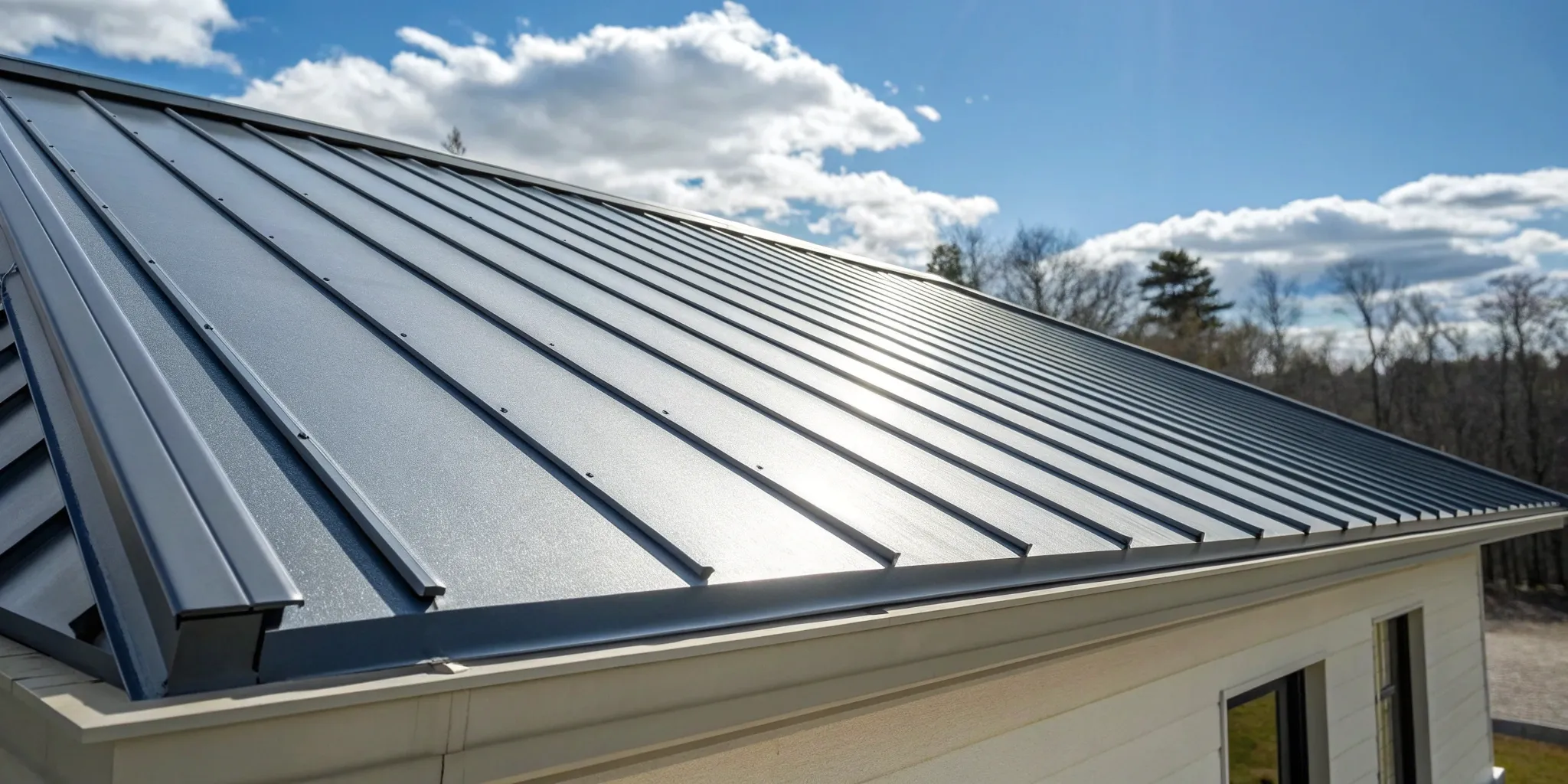
How much is a metal roof? Across the United States, most homeowners pay between $10,000 and $40,000 for a new metal roof, or roughly $4 to $18+ per square foot installed depending on the metal type, panel style, and the size and complexity of the roof. The national average for a standing-seam system on a typical single-family home lands around $16,000–$25,000.
Metal is one of the widest price ranges in roofing because "metal roof" covers everything from budget-friendly ribbed steel panels to premium copper. This guide breaks down the real installed cost per square foot for every major metal roofing type, shows what a typical 2,000 sq ft roof costs, and explains the factors, ROI, and lifespan that determine whether metal is worth it for your home.
Metal Roof Cost Per Square Foot by Type
Roofing is measured in "squares" (1 square = 100 sq ft). The prices below are typical U.S. installed costs — materials, labor, underlayment, trim, flashing, tear-off, and cleanup included. A key note: a 2,000 sq ft home footprint usually has closer to 2,200–2,600 sq ft of actual roof surface once pitch and overhangs are counted, so measure the roof, not the house.
| Metal Roof Type | Cost Per Sq Ft | 2,000 Sq Ft Roof | Lifespan |
|---|---|---|---|
| Corrugated / Exposed-Fastener Steel | $4.00–$10.00 | $8,000–$20,000 | 20–40 yrs |
| Metal Shingles (Steel / Aluminum) | $7.00–$14.00 | $14,000–$28,000 | 30–50 yrs |
| Stone-Coated Steel | $9.00–$16.00 | $18,000–$32,000 | 40–50+ yrs |
| Standing Seam (Steel / Aluminum) | $10.00–$18.00 | $20,000–$36,000 | 40–70 yrs |
| Copper / Zinc (Specialty) | $18.00–$40.00 | $36,000–$80,000 | 60–100+ yrs |
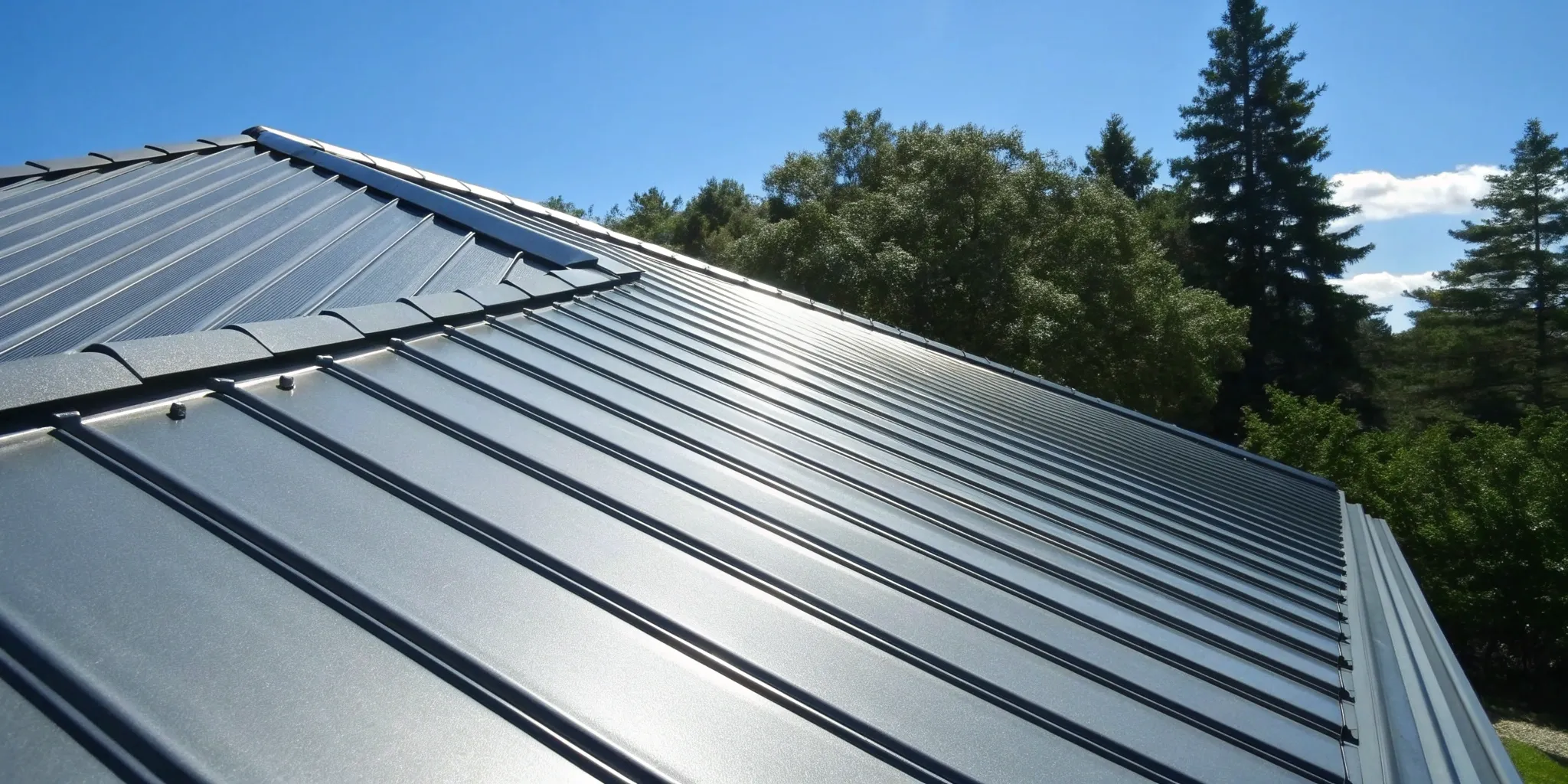
Standing seam is the most popular residential metal system and the benchmark most people mean by "metal roof." Its concealed clips and interlocking panels cost more than exposed-fastener panels but deliver a cleaner look, fewer leak points, and a longer service life. Corrugated (exposed-fastener) steel is the budget entry point, while copper and zinc are architectural, lifetime materials that price like premium tile or slate.
How Much Is a Metal Roof? (Total Cost)
For a typical 2,000 sq ft roof, expect roughly:
- Exposed-fastener steel: $8,000–$20,000 — the most affordable full metal roof.
- Metal shingles / stone-coated steel: $14,000–$32,000 — mid-range, mimics shake, tile, or slate.
- Standing seam: $20,000–$36,000 — the mainstream premium residential choice.
- Copper or zinc: $36,000–$80,000+ — architectural, multi-generational.
Steel is the most common and most affordable metal. Aluminum costs more but resists salt-air corrosion, making it a favorite in coastal regions. Copper and zinc sit at the top of the market. Want an exact number for your home? Our free roof cost calculator measures your actual roof from satellite imagery and returns real installed pricing in under a minute.
What Affects Metal Roof Cost?
Two identical-size homes can get very different metal-roof quotes. Here are the biggest cost drivers:
1. Metal Type & Gauge
Steel is cheapest, aluminum is a step up, and copper/zinc are premium. Thickness matters too: a heavier-gauge panel (a lower gauge number, e.g. 24-gauge vs. 29-gauge steel) is more durable and more expensive.
2. Panel Style
Concealed-fastener standing seam costs more than exposed-fastener corrugated panels because it uses more material, clips, and skilled labor. Metal shingles and stone-coated steel fall in between.
3. Roof Size, Pitch & Complexity
Larger roofs cost more in total but often less per square foot. Steep pitches, hips, valleys, dormers, skylights, and chimneys all add labor and custom flashing. A simple gable roof is the least expensive to install.
4. Tear-Off & Decking
Removing the old roof typically adds about $1–$2 per square foot. If the crew finds rotted or soft decking underneath, replacing sheathing adds material and labor before the metal ever goes on.
5. Coatings & Finish
A premium PVDF (Kynar 500) fluoropolymer finish holds color and resists fading far longer than a standard polyester paint — and costs more. Reflective "cool roof" pigments add cost but cut summer heat gain.
6. Labor & Region
Local labor rates, permit fees, and demand swing pricing significantly. Metal installation is specialized work, so an experienced metal crew commands more than a general shingle installer — and is worth it, because most metal-roof failures trace back to poor installation.
Metal Roof vs. Other Materials: Cost Comparison
Metal typically costs 2–3x more upfront than asphalt shingles, but it can also last 2–3x longer, which changes the lifetime math. Here's how metal stacks up against other roofing materials on a national, installed per-square-foot basis:
| Roofing Material | Cost Per Sq Ft (Installed) | Lifespan |
|---|---|---|
| Asphalt Shingles | $4.50–$8.00 | 15–30 yrs |
| Wood Shakes | $7.00–$14.00 | 25–35 yrs |
| Metal (all types) | $4.00–$18.00+ | 20–70+ yrs |
| Clay / Concrete Tile | $10.00–$18.00 | 50–100 yrs |
| Slate | $15.00–$30.00 | 75–100+ yrs |
Asphalt is cheaper to install, but you may replace it two or three times over the life of a single metal roof. Tile and slate can outlast metal, but they weigh far more and usually require a reinforced roof structure. Metal hits the sweet spot of long life, low weight, and strong weather performance — which is why it keeps gaining residential market share.
Is a Metal Roof Worth It? Lifespan, Energy Savings & ROI
A quality metal roof commonly lasts 40–70 years (standing seam) — and copper or zinc can pass the century mark — versus 12–30+ years for asphalt, depending on the shingle type. Over a home's life, that longer service life is where metal earns back its higher upfront price.
Energy savings. Metal reflects solar heat instead of absorbing it. According to the U.S. Department of Energy, reflective "cool" roofs can lower cooling energy use in hot, sunny climates, and metal panels with CRRC-rated reflective finishes help keep attics and living spaces cooler through the summer.
Resale value. Per Remodeling magazine's annual Cost vs. Value Report, a metal roof replacement typically recoups about 48–61% of its cost at resale — and beyond the appraisal, a transferable 40‑ to 50-year roof is a strong selling point that many buyers value.
Metal Roof Durability: Fire, Wind, Hail & Weight
- Fire: Metal is non-combustible and most systems carry a Class A fire rating — the highest available.
- Wind: Properly installed metal systems can be engineered for local high-wind requirements, making them a strong choice in hurricane- and high-wind zones.
- Hail: Impact-resistant metal rated Class 4 under UL 2218 can qualify for homeowners-insurance premium discounts in many hail-prone states. Large hail may cosmetically dent panels, but it rarely causes the structural failure or leaks that split or granule-shed asphalt shingles.
- Weight: Metal is lightweight compared with tile or slate, so it can often go over a structure without added framing.
- Sustainability: Metal roofing is fully recyclable, and steel and aluminum panels typically contain a significant share of recycled content.
Metal Roofing in Houston & Along the Texas Gulf Coast
National averages are a starting point — your local climate matters. Along the Texas Gulf Coast, wind-rated metal systems are directly relevant to Texas windstorm insurance coverage in coastal counties, and aluminum standing seam resists the salt air that corrodes lesser materials near the coast. For Houston-area homeowners, a wind-rated, impact-resistant metal roof pairs long life with storm-season peace of mind. For the metal systems we install and a price-locked quote, see our metal roofing in Houston page.
RISE Roofing is an Owens Corning Certified Contractor and a 2025 DECRA Project of the Year Finalist, offering a 10-year workmanship warranty on our metal roof installations, on top of the manufacturer's warranty. Ready for an exact price on your home? Contact us for a free, no-obligation metal roof estimate, or call (832) 224-3435.
Get a Free Metal Roof Estimate
See real installed pricing for your home — no pressure, no obligation.
Request Free Estimate Try the Roof Cost Calculator
Or call (832) 224-3435.