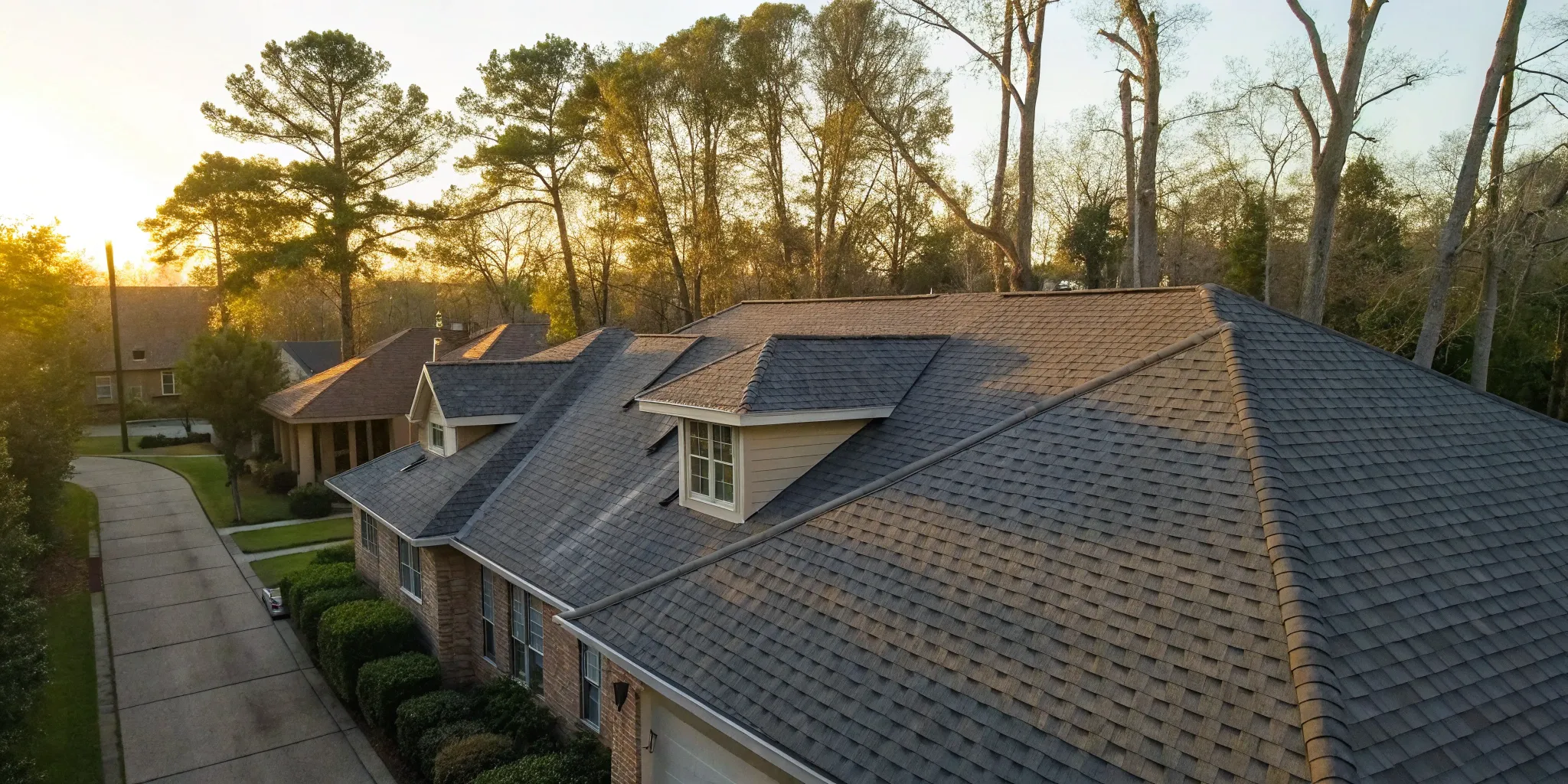
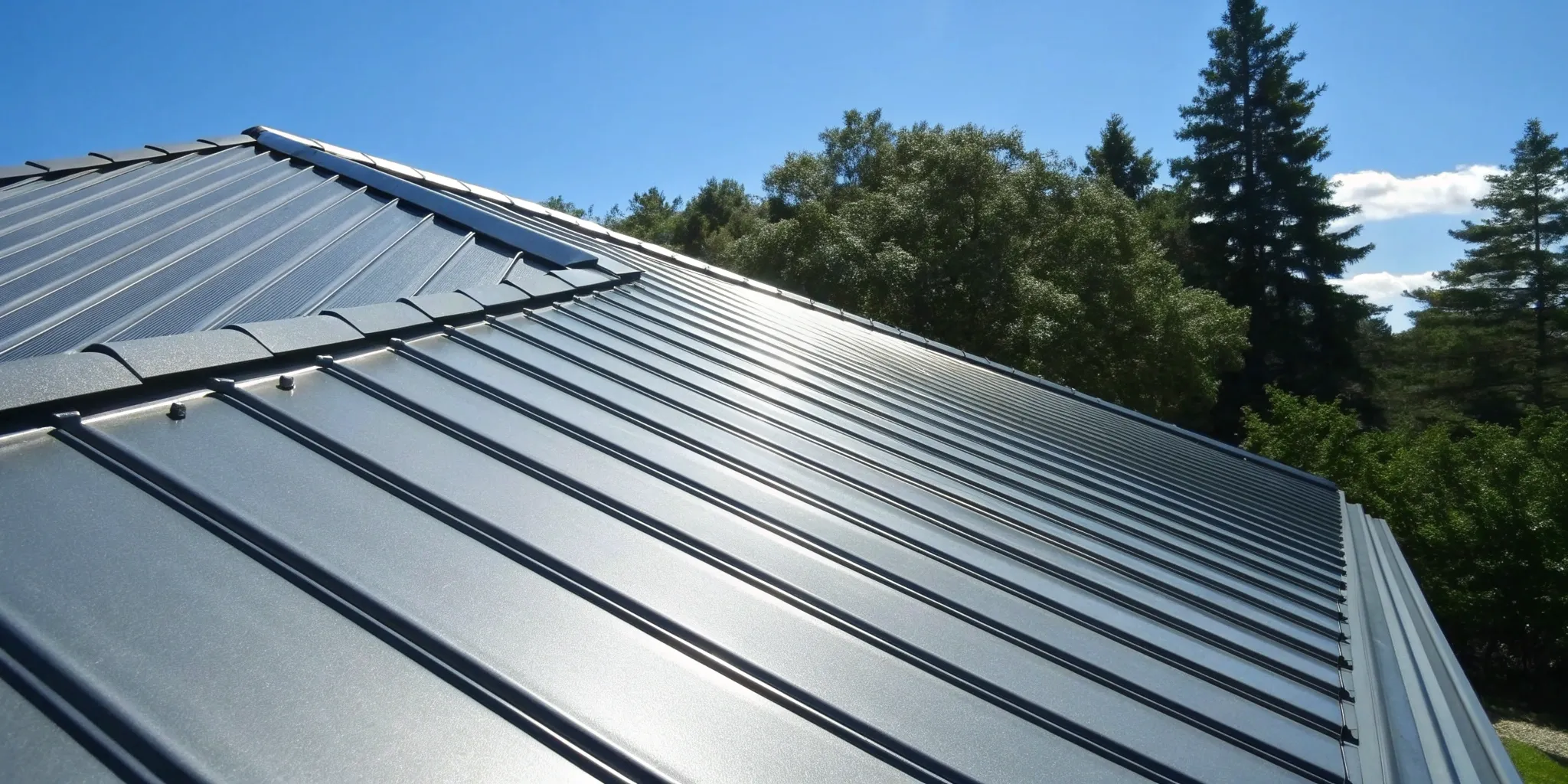
How much does a roof replacement cost? Nationally, most homeowners pay between $6,000 and $16,000 for a full roof replacement, with the average landing around $9,000 to $12,000. On a per-square-foot basis, that works out to roughly $4.50 to $8.00 per square foot installed for the most popular choice — architectural asphalt shingles — and more for metal, tile, or slate.
Your actual price comes down to four things: the size of your roof, the material you choose, how complex the roof is (pitch, valleys, existing layers), and what the crew finds once the old roof comes off. This guide breaks down 2026 roof replacement costs by material and by size, explains every factor that moves the number up or down, and helps you decide whether to repair or replace.
Roof Replacement Cost by Material
Material is the single biggest line item on most estimates, accounting for roughly 40–50% of the total, and it is the main reason one roof can cost three times as much as another. The table below shows typical installed national costs — materials, labor, tear-off, underlayment, flashing, and disposal included — for a standard 2,000-square-foot roof.
| Roofing Material | Cost Per Sq Ft | 2,000 Sq Ft Roof | Lifespan |
|---|---|---|---|
| 3-Tab Asphalt Shingles | $3.50–$5.50 | $7,000–$11,000 | 15–20 yrs |
| Architectural Shingles | $4.50–$8.00 | $9,000–$16,000 | 25–30 yrs |
| Impact-Resistant (Class 4) | $5.50–$9.50 | $11,000–$19,000 | 25–30 yrs |
| Metal (Standing Seam / Steel) | $9.00–$16.00 | $18,000–$32,000 | 40–70 yrs |
| Stone-Coated Steel | $12.00–$18.00 | $24,000–$36,000 | 40–50+ yrs |
| Clay / Concrete Tile | $10.00–$25.00 | $20,000–$50,000 | 50–100 yrs |
| Natural Slate | $15.00–$30.00 | $30,000–$60,000 | 75–100+ yrs |
Key takeaway: premium materials like metal, tile, and slate cost 2–3x more upfront than asphalt, but they also last 2–3x longer. Spread the price over the life of the roof and the yearly cost is often comparable — and you gain durability, curb appeal, and, with Class 4 products, potential insurance savings.
Roof Replacement Cost by Roof Size
Roofers price by the “square” — one square equals 100 square feet of roof surface. Keep in mind that your roof area is larger than your home’s footprint because of pitch and overhangs: a 2,000 sq ft home often has 2,200–2,500 sq ft of roof. The table below is based on roof surface area.
| Roof Size | Asphalt Shingles | Metal Roofing | Clay / Concrete Tile |
|---|---|---|---|
| 1,000 sq ft | $4,500–$8,000 | $9,000–$16,000 | $10,000–$25,000 |
| 1,500 sq ft | $6,750–$12,000 | $13,500–$24,000 | $15,000–$37,500 |
| 2,000 sq ft | $9,000–$16,000 | $18,000–$32,000 | $20,000–$50,000 |
| 2,500 sq ft | $11,250–$20,000 | $22,500–$40,000 | $25,000–$62,500 |
| 3,000 sq ft | $13,500–$24,000 | $27,000–$48,000 | $30,000–$75,000 |
These ranges assume a standard-complexity roof (moderate pitch, a typical number of valleys and penetrations). For an exact price on your specific home, try our free roof cost calculator — it measures your actual roof from satellite imagery and returns real installed pricing in under 60 seconds.
What Affects Your Roof Replacement Cost
Two roofs of the same size can price hundreds or thousands of dollars apart. Here is what moves the number.
1. Roofing Material (40–50% of Cost)
Material is the largest single line item. Stepping up from architectural asphalt shingles to standing-seam metal, tile, or slate is what drives the biggest swings in your total.
2. Labor (35–45% of Cost)
Skilled installation is the next-largest cost. Roofing is dangerous, physically demanding work, and rates rise with roof height, pitch, and regional wage levels.
3. Tear-Off & Disposal ($1.00–$2.50 per Sq Ft)
Removing and hauling away your old roof adds roughly $1.00–$2.50 per square foot. A roof with two existing shingle layers roughly doubles the tear-off labor and disposal cost — and most building codes cap a roof at two layers, so a third layer is not permitted and a full tear-off is required.
4. Roof Pitch & Complexity
Steep roofs are slower and less safe to work on. A pitch above roughly 7/12 can add 15–30% to labor, and extra valleys, dormers, chimneys, and skylights each add flashing work and material waste.
5. Roof Decking Condition ($50–$75 per Sheet)
If the crew finds rotted or delaminated decking once the old roof is off, it has to be replaced before the new roof goes on. Replacement plywood or OSB sheathing runs about $50–$75 per 4x8 sheet (roughly $2–$3 per square foot). This is the most common “surprise” cost on an estimate.
6. Permits ($150–$500)
Most jurisdictions require a roofing permit, typically $150–$500 depending on where you live and the value of the job.
Signs You Need a Roof Replacement
Most asphalt shingle roofs last 20–25 years. As a roof nears the end of that window, replacement usually makes more sense than repeated repairs. Watch for these warning signs:
- Granule loss — bald spots on the shingles and piles of granules in your gutters are a clear sign of shingle wear.
- Curling, cracked, or missing shingles across large areas of the roof.
- Leaks, water stains, or daylight visible in the attic.
- A sagging roof deck or daylight showing through the roof deck — this indicates structural failure and needs prompt attention.
Should You Repair or Replace Your Roof?
Not every problem calls for a full replacement. Most roof repairs cost $150–$1,500, with many falling between $400 and $1,000 — a few missing shingles or a single flashing leak is usually a repair.
A good rule of thumb: replace the roof if a repair would cost more than about 30% of a full replacement, or if the roof is already past roughly 75–80% of its expected lifespan. Pouring money into a roof near the end of its life rarely pays off. Not sure which side of the line you are on? Our roof cost calculator plus a free inspection will tell you.
Roof Replacement and Homeowners Insurance
Homeowners insurance generally covers sudden damage from storms, wind, and hail — minus your deductible — but it does not cover normal wear-and-tear or a roof that has simply aged out.
How much you are paid depends on your policy type. A Replacement Cost Value (RCV) policy pays the full cost to replace the roof, while an Actual Cash Value (ACV) policy pays a depreciated amount — so an older roof receives a smaller payout. Because of this, a roof’s age can meaningfully reduce your check. (For a deeper look, see our ACV vs. RCV guide.)
In high-wind and coastal regions, wind and hail are often excluded from a standard policy and require separate windstorm coverage. Check your declarations page before storm season.
One way to save going forward: Class 4 impact-resistant shingles can qualify for a homeowners premium discount — often 10–30%, and as much as about 35% with participating carriers in hail-prone states.
How to Pay for a New Roof
Common financing options include home equity loans, HELOCs, cash-out refinancing, personal loans, and contractor financing. Each carries its own trade-offs in rate, term, and how quickly you can start work.
$0 down financing is available through Acorn Finance — rates from 6.99% APR, 20+ lending partners, and pre-qualification in about 60 seconds with no impact to your credit score.
Ready for your free estimate? RISE Roofing is an Owens Corning Certified Installer and a 2025 DECRA Project of the Year Finalist, backing every roof with extended manufacturer warranties and a lifetime workmanship warranty. Serving the Houston, TX area — call (832) 224-3435 or request a quote online.
Cost ranges reflect 2026 installed pricing from RISE Roofing projects and published industry cost data (HomeGuide, Angi, Forbes), with roofing installation standards referenced from the National Roofing Contractors Association (NRCA). Your exact price depends on your roof’s size, pitch, material, and condition.