
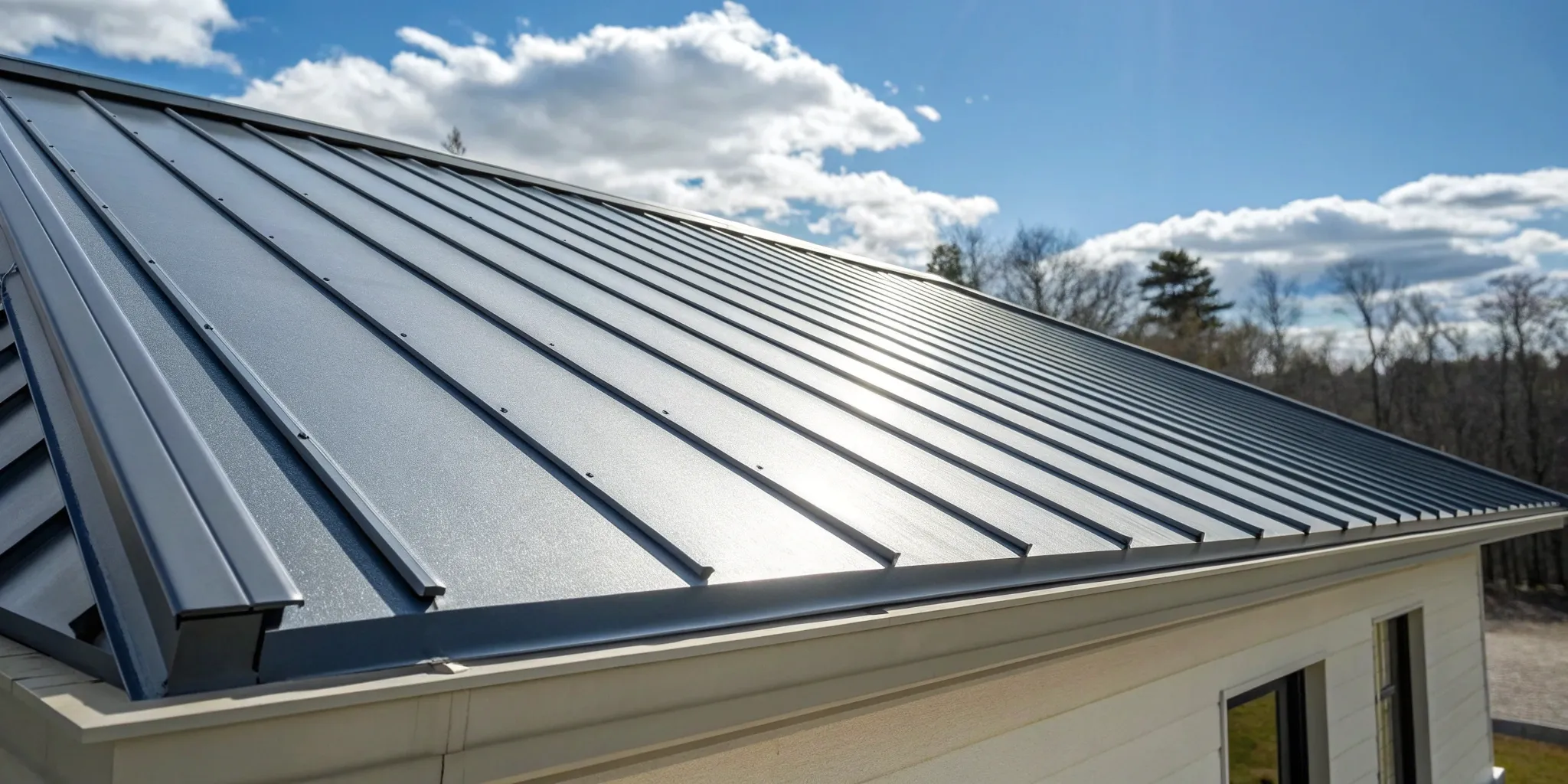
Standing seam metal roofs have a reputation for being durable and stylish, but they also come with a few persistent myths. You’ve probably heard some of them—that they’re noisy in the rain, attract lightning, or are just too expensive. It’s time to set the record straight. Modern systems are quiet, safe, and built with advanced coatings that prevent rust for decades. While the initial investment for a standing seam roof in Houston is higher, its long-term value is undeniable. In this guide, we’ll walk through the common misconceptions and separate the facts from fiction so you can make a confident choice.
Key Takeaways
- Choose a Roof That Fights Houston Weather: Standing seam systems are designed to handle our high winds and heavy rain, while their reflective surface keeps your home cooler and helps reduce energy costs during the summer.
- Look Beyond the Initial Price Tag: While the upfront cost is higher, a standing seam roof is a smarter financial choice over time, thanks to a 50+ year lifespan, minimal maintenance needs, and consistent energy savings.
- Expert Installation is Non-Negotiable: The performance of your roof depends entirely on the quality of the installation. Prioritize hiring a qualified contractor who specializes in standing seam systems to protect your investment.
What Is a Standing Seam Metal Roof?
If you’ve ever noticed a roof with long, sleek metal panels running from top to bottom, you were likely looking at a standing seam roof. The name comes from its most distinct feature: the raised, interlocking seams where the panels join together. Unlike traditional roofing where nails are exposed to the elements, a standing seam system uses hidden fasteners. This clever design not only creates a clean, modern look but also protects the hardware from rain, wind, and sun, which means fewer opportunities for leaks.
This type of residential roofing is a fantastic choice for Houston homeowners who want a blend of style and strength. The continuous panels and concealed clips form a tight seal that’s incredibly effective at shedding water—a must-have in our climate. It’s not just for homes, either. The durability and polished appearance of standing seam make it a popular option for commercial roofing projects, from retail spaces to office buildings. It’s a system engineered to look great and perform even better, offering a premium solution that stands the test of time.
How It’s Different From Other Roofs
When you compare a standing seam roof to something like asphalt shingles, the differences are clear. Instead of overlapping layers of material, standing seam uses large metal panels that are mechanically locked together. This creates a more integrated and weather-resistant surface. Worried about noise? Don’t be. Modern metal roofs are installed over solid decking with proper underlayment and insulation, making them no louder than an asphalt roof during a rainstorm. Today’s metal panels are engineered to withstand decades of weather exposure, far outlasting many other materials and requiring very little maintenance in comparison.
The Anatomy of a Standing Seam System
A standing seam roof is more than just metal panels; it’s a complete system designed for performance. It starts with a solid roof deck, followed by a high-quality underlayment that acts as a secondary water barrier. The metal panels are then laid over the top and secured to the deck with hidden clips. These clips are the unsung heroes of the system—they hold the panels firmly in place while allowing them to expand and contract with temperature changes, preventing stress and warping. The raised seams are then crimped together, creating a watertight seal that protects your property from the elements. You can see examples of these finished systems in our recent projects.
Why Is Standing Seam a Smart Choice for Houston?
Living in Houston means dealing with a unique set of weather challenges, from blistering summer heat to the constant threat of hurricane season. Your roof is your home’s first line of defense, and choosing the right material is a big decision. A standing seam metal roof isn’t just a modern, stylish option; it’s a practical solution engineered to handle exactly what our climate throws at it. This type of roofing offers a powerful combination of durability, energy efficiency, and longevity that makes it an incredibly smart investment for any Houston property owner. Let’s break down exactly why it stands out.
Built to Withstand Hurricanes and Harsh Weather
When hurricane season rolls around, peace of mind is priceless. Standing seam metal roofs are exceptionally durable and designed to stand up to high winds and severe weather. Unlike traditional shingles that can lift or tear off, the panels on a standing seam system interlock and are secured with hidden fasteners. This creates a unified, water-tight surface that is incredibly resistant to wind uplift. Some systems are specifically engineered for hurricane-prone areas, providing an even higher level of protection for your home. When you invest in a quality residential roofing system like this, you’re investing in resilience against the toughest storms.
Lower Your Energy Bills in the Texas Heat
We all know how hard our air conditioners work during a Houston summer. A standing seam metal roof can give your AC—and your wallet—a much-needed break. Metal roofs are highly reflective, bouncing solar radiant heat away from your home instead of absorbing it like dark asphalt shingles do. This simple act of reflection can significantly reduce the heat transferred into your attic, keeping your home cooler and lowering your energy bills. Many modern metal roofs come with special “cool roof” coatings that further enhance their reflective properties, making them one of the most energy-efficient roofing options on the market.
Enjoy a Low-Maintenance Roof
Your weekends are for relaxing, not for worrying about roof repairs. Because of their durable materials and hidden fasteners, standing seam roofs require very little maintenance compared to other roofing types. The fasteners aren’t exposed to the elements, which means they won’t degrade from sun or moisture over time. The sturdy metal panels resist cracking, shrinking, and eroding, and their smooth surface easily sheds debris like leaves and pine needles. With a professional installation, you can expect decades of performance with minimal upkeep, freeing you from the cycle of constant repairs and replacements common with other materials.
Fights Off Humidity and Moisture
Houston’s humidity is no joke, and it can be tough on a home. Moisture can lead to mold, mildew, and rot, which can compromise your roof’s structure. Metal roofing is a fantastic solution because it’s naturally resistant to all of these issues. The material itself is non-porous, so it doesn’t absorb water. The interlocking seams create a formidable barrier against leaks, even during heavy downpours. This makes standing seam an ideal choice for our humid climate, ensuring your roof remains strong and free of the moisture-related problems that can plague other roofing systems.
What’s the Investment for a Standing Seam Roof in Houston?
Let’s talk about one of the biggest questions on every property owner’s mind: the cost. A standing seam metal roof is a premium system, so its upfront price is higher than traditional materials like asphalt shingles. But thinking of it as just a cost is missing the bigger picture; it’s a long-term investment in your property’s protection, value, and efficiency. The final price tag isn’t just one number—it’s a combination of high-performance materials, specialized labor, and the unique details of your home or building.
The total investment depends on several moving parts, from the type of metal you choose to the complexity of your roof’s design. While the initial outlay is more significant, the long-term savings are substantial. With its incredible durability, minimal maintenance needs, and energy-saving properties that help lower your cooling bills in the Houston heat, a standing seam roof often proves to be more cost-effective over its lifetime. To get a preliminary idea of what your project might involve, you can use a roof cost calculator to explore different options and budget ranges.
Standing Seam Metal Roof Cost in Houston
Standing seam metal roof cost in Houston varies based on roof size, panel type, metal selection, and installation complexity. While the upfront investment is higher than that of asphalt shingles, standing seam systems typically last 50 years or more, making them a cost-effective option over the life of the roof.
What Affects Standing Seam Metal Roof Cost?
Several factors influence final pricing, including roof pitch and design complexity, metal type and gauge, Houston wind-uplift code requirements, and the level of expertise required for proper standing seam installation.
Breaking Down Material Costs
The core of your investment lies in the materials themselves. Standing seam roofing is made of interlocking metal panels that run vertically from the ridge to the eaves. The seams are raised and joined together with hidden fasteners, which creates that clean, modern look while providing superior protection against leaks. The type of metal you select is the biggest driver of material cost. Galvanized steel and aluminum are popular, effective, and more budget-friendly choices. For a more high-end or custom look, you might consider premium options like copper or zinc, which come with a higher price point but offer a unique aesthetic and exceptional longevity.
Understanding Labor and Installation Fees
Proper installation is just as important as the quality of the materials, and this is where skilled labor comes in. Installing a standing seam system is a craft that requires precision and expertise far beyond that of a standard shingle installation. The labor fees cover the specialized knowledge needed to custom-cut and fit each panel, secure the hidden fasteners correctly, and ensure every flashing detail is perfectly sealed against Houston’s wind and rain. Hiring an experienced team for your residential roofing project ensures your investment is protected and your roof performs as it should for decades to come, preventing costly repairs from improper work.
Key Factors That Affect the Final Price
Beyond materials and labor, several other factors influence the final quote for your standing seam roof. The size, pitch, and complexity of your roof are major considerations. A large, steep roof with multiple dormers, valleys, and skylights will require more material and intensive labor than a simple, low-pitched gable roof. The condition of your existing roof also plays a role. If the old roofing needs to be torn off or if there’s underlying deck damage from storms or leaks that must be repaired, these will add to the overall project cost. For business owners, these factors are critical when planning a commercial roofing project that needs to stand the test of time.
How to Find the Right Standing Seam Contractor in Houston
Choosing a standing seam metal roof is a significant investment in your property’s future. The materials are top-notch, but the quality of the installation is what truly determines how well your roof performs and how long it lasts. A flawless installation requires specialized skill and precision, which is why finding the right contractor is one of the most important decisions you’ll make.
In a city like Houston, you have plenty of options, but not all roofing companies have the specific experience needed for standing seam systems. You need a team that understands the nuances of metal roofing, from handling the materials correctly to ensuring every seam is perfectly sealed against wind and rain. A great contractor not only does excellent work but also communicates clearly, respects your property, and stands behind their installation with a solid warranty. Let’s walk through what to look for to ensure you hire a true professional for the job.
Our Expertise in Standing Seam Roofing
When you’re looking for a contractor, you want a team with a proven track record. At Rise Roofing, we specialize in high-quality roofing solutions, and our experience with standing seam systems is extensive. We’ve completed numerous residential roofing and commercial projects across the Houston area, giving us firsthand knowledge of what it takes to install a roof that can handle our unique climate. We pride ourselves on meticulous workmanship and transparent communication, ensuring you feel confident from the initial consultation to the final inspection. Our portfolio of recent projects showcases the precision and care we bring to every job.
Your Contractor Checklist: Must-Have Qualifications
Before you sign a contract, it’s smart to do a little homework. A qualified contractor should be able to check all these boxes without hesitation. First, confirm they are fully licensed and insured in Texas—this protects you from any liability. Next, ask for a portfolio of their previous standing seam projects. Seeing is believing! They should also be well-versed in Houston’s specific building codes and safety regulations to ensure your roof is compliant. Finally, look for positive customer reviews and testimonials. A company with a strong reputation in your service area is a good sign you’re in capable hands.
Questions to Ask Before You Hire
To make an informed decision, it helps to have a list of questions ready when you meet with potential contractors. This isn’t about grilling them; it’s about starting a conversation to see if they’re the right fit.
Here are a few key questions to ask:
- How many standing seam roofs have you installed in the last year?
- What warranties do you offer on your workmanship and the materials?
- Can you provide a detailed, itemized quote?
- What is your process for protecting my property (landscaping, driveway, etc.) during installation?
- How do you handle project timelines and potential weather delays?
A professional contractor will be happy to answer these questions thoroughly. You can also use our roof cost calculator to get a baseline estimate before you start making calls.
Common Standing Seam Myths, Busted
Standing seam metal roofs have a reputation for being durable and stylish, but they also come with a few persistent myths. You’ve probably heard some of them—that they’re noisy in the rain or that the cost is just too high. It’s time to set the record straight. Let’s walk through some of the most common misconceptions and separate the facts from fiction so you can make a confident choice for your home.
Are They Noisy and Do They Attract Lightning?
Let’s start with the biggest one: noise. The idea of a metal roof sounding like a drum during a rainstorm is a thing of the past. Modern residential roofing installations are much more sophisticated. We install standing seam panels over a solid roof deck, complete with underlayment and insulation. This structure absorbs sound effectively, making your metal roof just as quiet as one with asphalt shingles.
And what about lightning? It’s a valid question, especially during a Houston thunderstorm. The good news is that a metal roof will not attract a lightning strike. It’s a non-combustible material, so it’s actually one of the safest options if your home were to be struck. The myth is simply unfounded; your home is no more likely to be hit by lightning with a metal roof than any other type.
Will It Rust? The Real Story on Maintenance
The image of a rusty old tin roof is hard to shake, but today’s standing seam systems are built differently. Modern metal roofing is treated with advanced, corrosion-resistant coatings like zinc or aluminum alloys. These protective layers are specifically designed to stand up to Houston’s humidity and prevent rust from ever forming. You get the strength of steel without the worry of corrosion.
This durability also means you can look forward to a low-maintenance future. Unlike other materials that require regular repairs or cleaning, a standing seam roof needs very little upkeep to maintain its performance and appearance. A quick inspection now and then is all it takes to ensure it lasts for decades, which you can see in our recent projects.
Is the Upfront Cost Worth the Long-Term Value?
It’s true that the initial investment for a standing seam roof is higher than for traditional asphalt shingles. However, it’s important to look at the bigger picture. A standing seam roof is a long-term investment that pays for itself over time. While shingles may need replacing every 15-20 years, a metal roof can last 50 years or more. You’re not just buying a roof; you’re buying decades of peace of mind.
Beyond its lifespan, a metal roof adds significant value to your property—often recouping more than half of its cost in your home’s resale value. It also offers superior energy efficiency, which can lower your cooling bills during our hot Texas summers. When you factor in the longevity, durability, and energy savings, the upfront cost makes perfect sense. You can even get a general idea of the numbers with our roof cost calculator.
Your Style Guide: Standing Seam Materials and Options
Once you’ve decided that a standing seam roof is right for your home, you get to the fun part: designing its look. A standing seam system offers incredible versatility, allowing you to choose a style that perfectly matches your property’s aesthetic and performance needs. The three main elements you’ll decide on are the type of metal, the color and finish, and the thickness, or gauge, of the panels. Each choice plays a role in your roof’s final appearance, durability, and cost, so it’s helpful to understand your options before making a final decision. Let’s walk through what you need to know to create a roof you’ll love for decades.
Choosing Your Metal: Steel vs. Aluminum
The two most popular metals for residential roofing in Houston are steel and aluminum. Steel, specifically Galvalume-coated steel, is the industry standard because it’s strong, durable, and cost-effective. It holds up exceptionally well against high winds and impact. Aluminum is a fantastic alternative, especially for coastal homes in areas like Houston. It’s naturally corrosion-resistant, so it won’t rust in salty air. It’s also lighter than steel. For homeowners focused on sustainability, both are great choices. According to Houston metal roofing services, aluminum can be made from up to 95% recycled material, while steel contains a significant amount of recycled content as well.
Finding the Perfect Color and Finish
This is where your personal style really comes into play. Forget the old image of a plain, gray metal barn roof. As experts will tell you, “metal roofing is one of the most design-flexible systems available today.” Modern standing seam roofs come in dozens of colors, from deep blues and rich reds to classic charcoals and earthy browns. You can also choose from different finishes, like matte or glossy. For Houston homeowners, selecting an energy-efficient “cool-tone” finish can make a real difference. These colors are designed to reflect solar heat, which can help lower your cooling costs during those long, hot Texas summers. Our Shingle Assistant can help you visualize how different shades will look on a home.
Understanding Metal Gauge (and Why It Matters)
Metal gauge refers to the thickness of the metal panels—and it’s a critical detail. The lower the gauge number, the thicker and stronger the metal. For residential projects, 24-gauge is the most common and recommended thickness, offering a great balance of durability and value. Thinner metals, like 26- or 29-gauge, are less expensive but are more susceptible to denting from hail or damage from high winds. As industry professionals at Sheffield Metals point out, designing a roof without understanding material characteristics can lead to problems. Choosing the right gauge ensures your roof not only looks great but also meets local building codes and provides the long-term protection your property needs.
What to Expect During Your Roof Installation
A new roof is a big project, but it doesn’t have to be a stressful one. Knowing what happens from start to finish can make the entire process feel much more manageable. When you work with a professional team, you can expect clear communication, respect for your property, and a focus on getting the job done right. The goal is to leave you with a beautiful, durable roof that protects your home or business for decades. From navigating local regulations to managing the timeline, a skilled contractor handles the details so you don’t have to.
Meeting Houston’s Building Codes
Houston has specific building codes for a reason—our weather demands it. These regulations ensure your roof is installed correctly to handle everything from intense sun to hurricane-force winds. A reputable contractor will be an expert on local requirements and manage the entire permitting process for you. This is a crucial step because proper compliance not only guarantees the safety and performance of your roof but also protects your warranty. For commercial roofing projects, understanding these codes is especially important to prevent any disruptions to your business operations. Your roofer should ensure every part of the installation meets or exceeds these local standards, giving you total peace of mind.
The Step-by-Step Installation Process
Once the prep work is done, the physical installation begins. First, the crew will carefully remove your old roofing material and inspect the underlying wood deck for any damage, making repairs as needed. This is a critical step to ensure a solid foundation. Next, they’ll install a high-quality underlayment, which acts as a vital secondary barrier against moisture. Finally, the standing seam metal panels are custom-cut and meticulously installed, with each seam locked into place to create a watertight seal. You can see what this process looks like by checking out some of our recent projects. A professional team will work efficiently while keeping the job site clean and safe throughout the day.
How Weather Can Affect the Project Timeline
Here in Houston, we know the weather can be unpredictable. Heavy rain, high humidity, and the ever-present possibility of a tropical storm can cause delays in any roofing project. Safety and quality are the top priorities, so your installation crew will not work in conditions that could compromise either. For example, installing a roof during a downpour can trap moisture and lead to serious problems down the road. While weather delays can be frustrating, they are a necessary part of ensuring your residential roofing investment is protected for the long haul. Your contractor should keep you informed with regular updates so you always know what to expect with the schedule.
How to Care for Your Houston Standing Seam Roof
One of the best things about a standing seam metal roof is how little maintenance it requires. But low-maintenance doesn’t mean no maintenance. Here in Houston, our roofs put up with a lot—intense sun, heavy rain, and the occasional hurricane. A little proactive care will ensure your roof performs beautifully for decades and protects your investment.
Think of it like a car; you wouldn’t skip oil changes and expect it to run forever. Your roof is the same. Simple, regular check-ins can catch small issues before they become big, expensive problems. This includes everything from clearing away fallen leaves to scheduling a professional look-over every few years. Taking these small steps helps you get the most out of your roof’s incredible lifespan and keeps your home or business safe and secure. We’ve seen firsthand how a well-maintained roof stands strong against the elements, and we want yours to do the same.
Setting Up a Simple Inspection Schedule
You don’t need to be a roofing expert to keep an eye on things. A great habit to form is giving your roof a quick visual inspection from the ground at least once a year, especially after a major storm. Look for any debris like leaves, pine needles, or branches that have collected on the surface or in the gutters, as these can trap moisture. It’s also a good idea to trim back any overhanging tree limbs to prevent them from scraping the panels or dropping excessive debris. From a safe vantage point, check for any visible scratches, dents, or areas where sealant might look worn. This simple routine helps you stay ahead of potential issues.
Key Maintenance for a Long-Lasting Roof
The secret to a long-lasting roof starts with a quality installation. Proper setup is just as important as the materials themselves, which is why it’s always best to work with experienced professionals. While standing seam materials can easily last for 50 years or more, the protective coating that gives your roof its color and finish may need attention sooner. If you notice any significant scratches or signs of peeling during your inspections, it’s wise to have them addressed to prevent corrosion. Keeping your gutters and downspouts clear is also crucial, as it ensures water drains properly and doesn’t back up under the panels. You can see examples of our meticulous work in our recent projects.
Understanding Your Warranty and When to Call a Pro
Your roof’s warranty is a valuable asset, but it often comes with conditions, including requirements for professional maintenance. Attempting complex DIY repairs can sometimes void your coverage. Standing seam systems have specific engineering and code requirements, so it’s important to call a contractor who understands them. A professional with experience in commercial roofing and residential systems will know exactly how to handle repairs safely and effectively. If you spot loose panels, significant damage, or anything that makes you feel uneasy, it’s time to call for a professional inspection. We can identify the root cause of the problem and ensure your roof remains in top condition.
Related Articles
- Quality Metal Roofing For Homes | Houston & Houston
- Premium Commercial Metal Roofing Options | Browse Options
- Standing Seam Roofing | Houston | Corpus
- New Roof Installation Houston: A Homeowner’s Guide
- Roof Replacement Houston TX: A Homeowner’s Guide
Frequently Asked Questions
How long does a standing seam roof really last compared to shingles? While a typical asphalt shingle roof might last 15 to 20 years in our demanding Houston climate, a properly installed standing seam metal roof can last 50 years or even longer. For many homeowners, it’s a “one and done” solution. You’re not just paying for a roof; you’re investing in a permanent upgrade that saves you the cost and hassle of multiple replacements down the line.
Can you install a standing seam roof over my existing shingles? While it’s technically possible in some cases, we almost always recommend removing the old shingles first. A complete tear-off is the only way for us to properly inspect the underlying wood deck for any hidden rot or storm damage. Starting with a clean, solid foundation is essential to ensure your new roof is secure and performs flawlessly for decades to come.
I’ve heard metal roofs are hot. Will it make my house warmer in the summer? It’s actually the opposite! Dark asphalt shingles absorb the sun’s heat and transfer it into your attic, making your AC work harder. A standing seam metal roof is highly reflective, bouncing solar rays away from your home. Many modern metal panels come with special “cool roof” finishes that are specifically designed to keep your home cooler and help lower your energy bills.
What happens if a panel gets damaged by a falling branch? Do I have to replace the whole roof? Not at all. One of the practical benefits of a standing seam system is that it’s modular. If a single panel gets dented or damaged, a skilled contractor can carefully remove and replace just that specific section without having to disturb the rest of the roof. This makes repairs much more targeted and cost-effective than with other roofing materials.
Is a standing seam roof a good choice for any style of home? Yes, it’s incredibly versatile. While people often picture standing seam on modern or farmhouse-style homes, its clean lines and huge variety of colors work beautifully with almost any architectural design. A standing seam roof can look just as stunning on a traditional brick home as it does on a contemporary new build. The key is choosing the right color and panel profile to complement your home’s unique character.


